

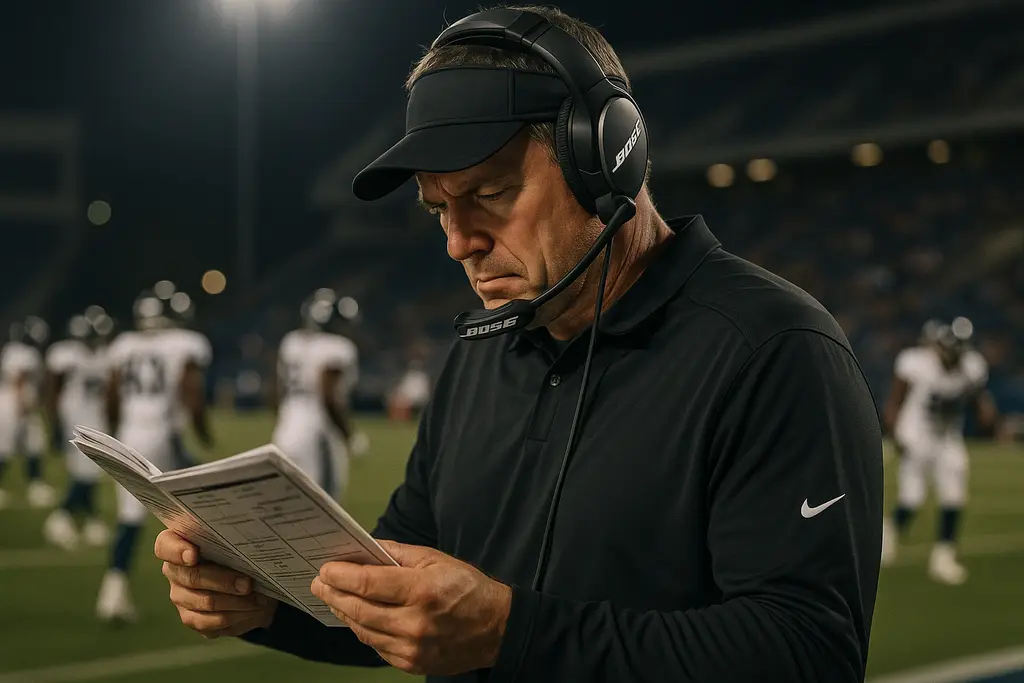
The Gators QB battle between Tramell Jones Jr. and Aaron Philo is not just a depth-chart question. It is a game-day planning issue for Florida because the starter will influence tempo, early-down calls, protection rules, third-down answers and how the staff manages momentum after turnovers or explosive plays.
Florida’s Orange & Blue Game gave the first public look at how different the offense could feel with each quarterback. Philo completed 21 of 28 passes for 193 yards, two touchdowns and two interceptions, while Jones went 13-for-17 for 210 yards and two touchdowns, including a 75-yard scoring pass, according to the official spring game recap. Those numbers do not settle the job, but they do frame the strategic choice.
How Gators QB battle Changes The Call Sheet
A quarterback competition changes more than who takes the first snap. It changes what the offensive staff can ask from the full group on game day. The starter affects how often Florida can use quick rhythm throws, how much it can lean on play-action, and whether the run game needs quarterback movement built into the design.
Gators QB battle And The First 15 Plays
The first scripted series is where the difference between two quarterbacks can show up quickly. If Florida starts Philo, the early script may be built to test timing, spacing and decision speed. His spring game line showed volume and accuracy, but the two interceptions also matter because early possession quality affects field position and defensive strain.
If Florida starts Jones, the call sheet can place more stress on the defense through explosive-play threats. His 75-yard scoring pass in the spring game showed that one throw can flip a possession. That does not mean the offense should be built only on shot plays. It means the staff has to decide how often to create those chances without putting the quarterback in low-percentage situations.
That is why the Gators QB battle matters to the first quarter. A staff can script easy completions for either player, but the second and third series reveal the deeper plan: who can handle defensive adjustments, who protects the ball after a negative play, and who keeps the offense on schedule when the first read is covered.
Tempo, Substitutions And Protection
Tempo is often tied to quarterback comfort. A quarterback who processes quickly can help the offense stay at the line, identify the coverage and keep the defense from substituting. A quarterback who is still settling into the system may need more huddle time and cleaner formation structure. Neither approach is wrong. The issue is matching the pace to the player.
Protection is just as important. Florida’s staff has to decide how often to use five-man protection, how often to keep a tight end or back in the count, and how much freedom the quarterback has to change protections before the snap. Those choices affect route distribution. More protection can reduce receiver options. Less protection can create bigger passing windows but puts more pressure on the quarterback to diagnose pressure.
For a deeper statistical frame on quarterback efficiency, pressure and explosive passing, the site’s prior breakdown of Florida quarterbacks by the numbers fits this discussion. The same ideas apply here: completion rate alone is useful, but it has to be weighed against turnovers, down-and-distance and explosive output.
Spring Game Evidence And Drive Management
The spring game numbers show two different forms of production. Philo had more attempts and completed 75 percent of his passes. Jones had fewer attempts but a higher yards-per-completion profile because of the long touchdown. Florida’s staff will not judge the competition on one scrimmage, but those outcomes show how each quarterback can shape drive management.
Philo’s Volume And The Risk Of Empty Yards
Philo’s 21 completions suggest an offense that can work through repeated passing downs. That can be valuable in SEC games where defenses force long fields and make offenses earn every first down. The challenge is avoiding drives that move between the 20s without finishing. Two interceptions in the spring game are not a season verdict, but they do raise the main game-day question: can Florida keep the pass game aggressive without giving away possessions?
For Philo, the staff may lean on route concepts that give clear answers against man and zone. Slants, crossers, outs and running back options can help a quarterback stay in rhythm. The tradeoff is that defenses will compress windows if they do not respect the vertical passing game. Florida will need enough downfield threat to prevent safeties from squatting on intermediate routes.
Jones’ Explosive Element And Possession Control
Jones’ spring stat line was efficient, and the 75-yard touchdown pass stands out because explosive plays shorten the field. A single strike can change play-calling for the rest of a half. It can force a defense out of loaded fronts, open run lanes and create more space for quick-game throws.
The other side is possession control. A quarterback with explosive ability still has to win ordinary downs. Second-and-6 is where offenses stay flexible. Third-and-8 is where protection, route depth and quarterback timing get tested. Reporting on how Florida’s staff viewed Jones entering spring camp gives context for why his development remains central to the competition staff view of Jones.
Matchups That Could Decide The Starter
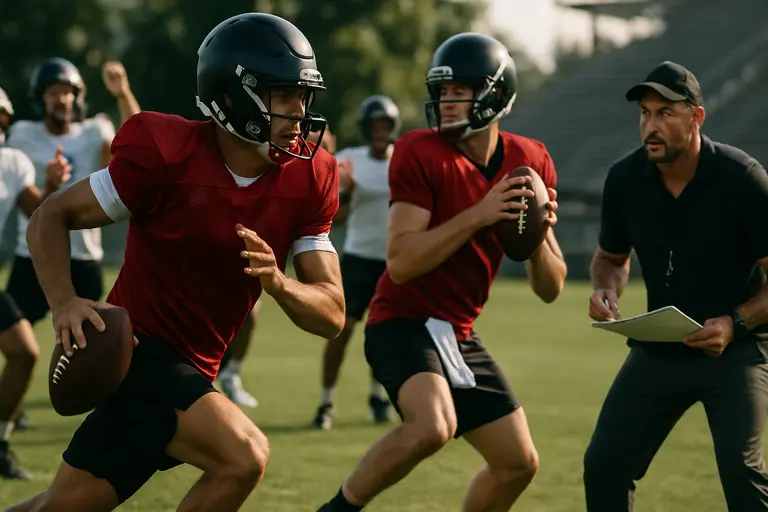
The quarterback choice will be tied to matchups as much as raw production. Against a defense that pressures heavily, Florida may value the quarterback who identifies blitzes and gets the ball out cleanly. Against a defense that plays with conservative safeties, the staff may prefer the passer who can stay patient and take underneath completions without forcing the ball.
Third Down Is The Separator
Third down often separates a camp battle from a game-day answer. The starter has to understand the sticks, the route concept and the rush plan. A short completion on third-and-long can look efficient but still lead to a punt. A riskier throw beyond the marker can extend a drive, but it also invites turnovers if the read is late.
That is where the Gators QB battle becomes a full-unit evaluation. The offensive line’s pass protection, receiver separation and running back blitz pickup all affect the quarterback’s grade. If one quarterback consistently prevents negative plays, that may carry as much weight as a splash throw.
Red-Zone Calls And Fourth-Down Choices
Red-zone strategy will also shift with the starter. A quarterback who gives the staff confidence on quick throws can open pick routes, spacing concepts and tight-window throws near the goal line. A quarterback who adds movement ability can stress linebackers and edge defenders, especially when the defense must account for both the back and the quarterback.
Fourth-down choices follow the same logic. Coaches are more likely to stay on the field when they trust the quarterback’s decision-making and the offense’s best short-yardage call. If the passing game is clean, fourth-and-3 can become a manageable situation. If the run threat is stronger, fourth-and-1 or fourth-and-2 may be built around motion, misdirection or a quarterback keep threat.
This is also why Florida’s broader camp story matters. The competition is tied to the new staff’s offensive identity, a topic connected to the site’s previous coverage of the Florida Gators quarterback battle.
What The Quarterback Decision Means For Florida Saturdays
The final decision will shape how Florida fans read the first month of the season. The starter will determine whether the offense feels more rhythm-based, more explosive, or some mix of both. The staff does not need the quarterback to win every play. It needs him to keep the offense in favorable downs, avoid sudden-change mistakes and create enough stress to stop defenses from dictating the game.
If the Gators QB battle remains close, game-day strategy could stay flexible. Florida may build parts of the plan around both skill sets during preparation, even if only one quarterback opens the game. That requires discipline from the staff because split planning can reduce practice focus if it is not handled carefully.
The main takeaway from spring is clear enough: both quarterbacks produced points, but in different ways. Philo’s line points toward volume and rhythm. Jones’ line points toward efficiency and explosive upside. Florida’s game-day strategy will come down to which profile the staff trusts most when the defense changes the picture after the snap.
For Florida, this is not only a quarterback pick. It is a decision about how the offense wants to win drives, answer pressure and protect momentum in SEC play.