


The Gators QB battle between Tramell Jones Jr. and Aaron Philo is more than a personnel decision. It will influence how Florida opens games, how aggressive the staff can be on early downs, and how much of a new offense can be carried into Saturdays without creating avoidable mistakes.
Florida’s quarterback room changed after DJ Lagway transferred to Baylor in December 2025, leaving Jones, a redshirt freshman, and Philo, a Georgia Tech transfer, in competition for the starting job, according to WCJB’s SEC Media Days report. That same report noted the arrival of head coach Jon Sumrall and offensive coordinator Buster Faulkner, with Faulkner bringing a system connection to Philo from Georgia Tech.
Sumrall did not frame the job as settled in spring. He said Florida had “a long way to go to identify who’s going to be the trigger man that gets the opportunity to start game one,” according to Florida’s official spring update. That public stance matters because it keeps the playbook flexible. It also means the staff must prepare two slightly different game-day plans until one quarterback separates.
How The Gators QB battle Changes The Call Sheet
Gators QB battle And The Opening Script
The opening script is where this competition first shows up. If Florida starts the quarterback with the firmer command of Faulkner’s terminology and protections, the first 10 to 15 calls can include more formation movement, quicker checks and wider field answers. If the starter is still being eased into a new system, the script likely needs cleaner reads: defined throws, play-action looks, and early run-pass options that let the quarterback play on time.
That distinction changes how drives begin. A quarterback who can handle pre-snap answers gives the coordinator a chance to attack matchups immediately. A quarterback who needs rhythm first may push the offense toward completions that function like run plays: hitches, screens, quick outs and controlled throws that prevent second-and-long from stacking up.
Why Early Down Efficiency Comes First
For Florida, the starter’s value will not be measured only by touchdown throws in camp or the spring game. It will be measured by how often the offense stays in manageable down-and-distance. Third-and-3 opens the call sheet. Third-and-9 tightens it. That is where the quarterback decision becomes a game-management issue as much as a passing issue.
If Philo’s background with Faulkner’s system helps him process the structure faster, Florida may be able to play with more tempo and more answers at the line. If Jones shows better command of the locker room, cleaner timing with Florida’s receivers, or more comfort pushing throws into tighter windows, the staff may accept a learning curve in exchange for a higher ceiling. The supported fact is that the competition is active; the game-day effect depends on how those traits show in practice and scrimmage settings.
First Drives, Tempo And The Scripted Openers
Tempo Is A Trust Test
Tempo is not just about snapping the ball fast. It is about how much the staff trusts the quarterback to identify the front, communicate protections and avoid negative plays without the sideline resetting the picture. The Gators QB battle will shape whether Florida can use tempo as a weekly weapon or only as a changeup.
A quarterback with full command allows Florida to move from personnel grouping to personnel grouping without substituting. That can stress defenses, especially if the same group can run inside zone, perimeter screens and intermediate play-action. If the quarterback is still sorting through coverage answers, Florida may need more huddle control and more calls from the sideline. That slows the pace but can protect the offense from drive-killing errors.
Momentum Swings Start With Ball Security
The first major turning point in many games is not a long touchdown. It is the first short field created by a mistake. A quarterback competition under a new staff often pushes coaches to value ball security early. The starter who avoids the unnecessary throw on second down may give Florida more freedom on the next series.
That is especially true in SEC play, where a single failed protection call can turn a promising drive into a punt or turnover. Florida’s staff has to decide which quarterback gives the offense the best chance to finish possessions without cutting the field in half for the opponent. In practical terms, that means the call sheet must be built around the quarterback’s most reliable answers, not just the most aggressive concepts.
Quarterback Traits And Weekly Matchup Stress
Philo’s System Link Versus Jones’ Development Curve
Philo’s connection to Faulkner’s system is one of the cleaner football variables in this race. Familiarity can shorten the adjustment period, especially with protections, route tags and tempo mechanics. It does not automatically win a job, but it can affect how broad the week-one plan looks.
Jones presents a different type of evaluation. As a redshirt freshman, his case depends on how quickly he turns practice reps into operational trust. If he shows that he can run the base offense, set protections and deliver on schedule, Florida can build a plan that grows through the season rather than one built only around experience. The spring game note that Philo and Jones traded touchdown throws supports the idea that both have shown enough to keep the race active, but it does not settle which skill set travels better into a live SEC Saturday.
Third Down And Red-Zone Calls Will Reveal The Winner
Third down and the red zone are where the quarterback choice becomes visible. Between the 20s, a coordinator can protect a passer with spacing and run action. Near the goal line, windows shrink. On third down, disguise increases. The quarterback must solve the picture fast enough to keep the play alive.
If Florida chooses the quarterback who is steadier in protection calls, expect more full-field passing concepts and quicker tempo between snaps. If the staff chooses the quarterback who creates more explosive chances but needs a tighter structure, expect more designed movement, half-field reads and early-down shots built off the run game. Neither path is automatically better. The better path is the one that matches the quarterback’s decision-making under pressure.
Practice Signals That Matter Before Game Day
What Coaches Are Really Measuring
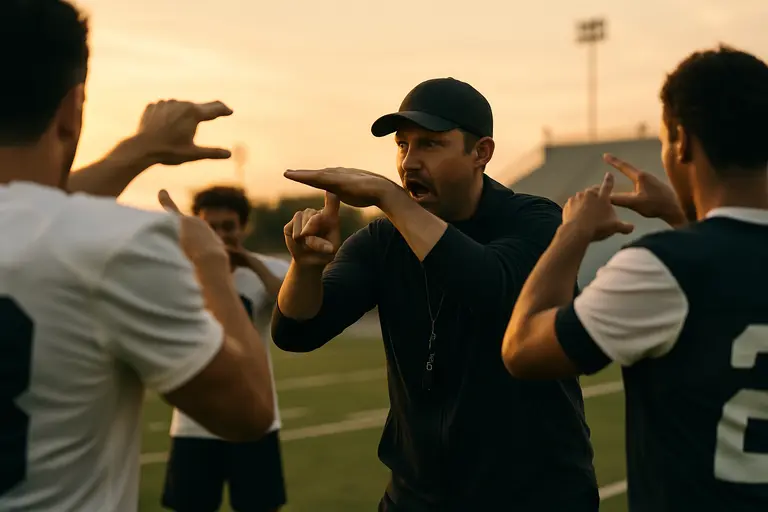
Quarterback competitions are often discussed through arm strength and highlight throws, but coaches usually decide them through repeatable habits. The staff will track who gets the offense lined up, who handles bad looks from the defense, who protects the ball after a missed assignment, and who can turn a broken play into a manageable next down.
Sumrall also described the competition as healthy, saying the quarterbacks were supporting and challenging each other in a competitive way in Florida’s spring update. That matters for the room, but it does not remove the pressure from the decision. Once the season starts, the offense needs one voice in the huddle and a plan that fits that voice.
- Protection control: The starter must identify pressure and get the offense into the right answer.
- Early-down rhythm: Florida needs the quarterback to keep second and third downs manageable.
- Red-zone poise: Tight-space decisions will shape touchdown chances more than raw passing volume.
- Tempo command: The staff can only play fast if the quarterback can operate without confusion.
For readers tracking the wider competition, our related breakdown on how the Gators quarterback decision shapes game-day strategy pairs with this discussion of call-sheet mechanics. The statistical side also connects with Florida’s broader quarterback evaluation, including pressure response and passing efficiency, covered in our look at Florida quarterbacks by the numbers.
Why The Quarterback Decision Shapes Saturdays
Florida’s Identity Starts With The First Series
The Gators QB battle will shape more than who takes the first snap. It will shape how Florida wants to win drives. A Philo-led plan may lean on system familiarity and faster access to Faulkner’s full menu. A Jones-led plan may lean on growth, practice command and the staff’s belief that his traits fit the offense they want to become.
The most likely game-day adjustment is not a total offensive split. It is a weekly emphasis shift. With one quarterback, Florida may call more tempo, checks and layered passing concepts. With the other, the staff may rely more on structured throws, run support and controlled shot plays. The winner has to do more than make the best throws in camp. He has to give the staff the best chance to manage momentum, protect field position and finish drives.
The Gators QB battle remains unresolved based on the available reporting, and that uncertainty is the point. Until Florida names a starter, every practice rep affects the plan for first downs, third downs, red-zone calls and late-half decisions. The quarterback who turns the new offense from install language into clean Saturday operation will define how Florida attacks 2026.