

The Sumrall recruiting push is not just a signing-day story for Florida. As of October 11, 2026, it has become a player-development question: which retained veterans, transfer additions and high school commits can grow into SEC roles fast enough to change the Gators’ week-to-week standard?
Florida hired Jon Sumrall on November 30, 2025, and his early months in Gainesville were defined by two linked ideas. First, he tried to reset accountability inside the building. Second, he put recruiting volume and position value at the center of the rebuild. Those pieces matter together because signing talent is only part of the task. The staff still has to define roles, strengthen bodies, build practice habits and turn recruiting labels into Saturday production.
Why The Sumrall recruiting push Starts With Standards
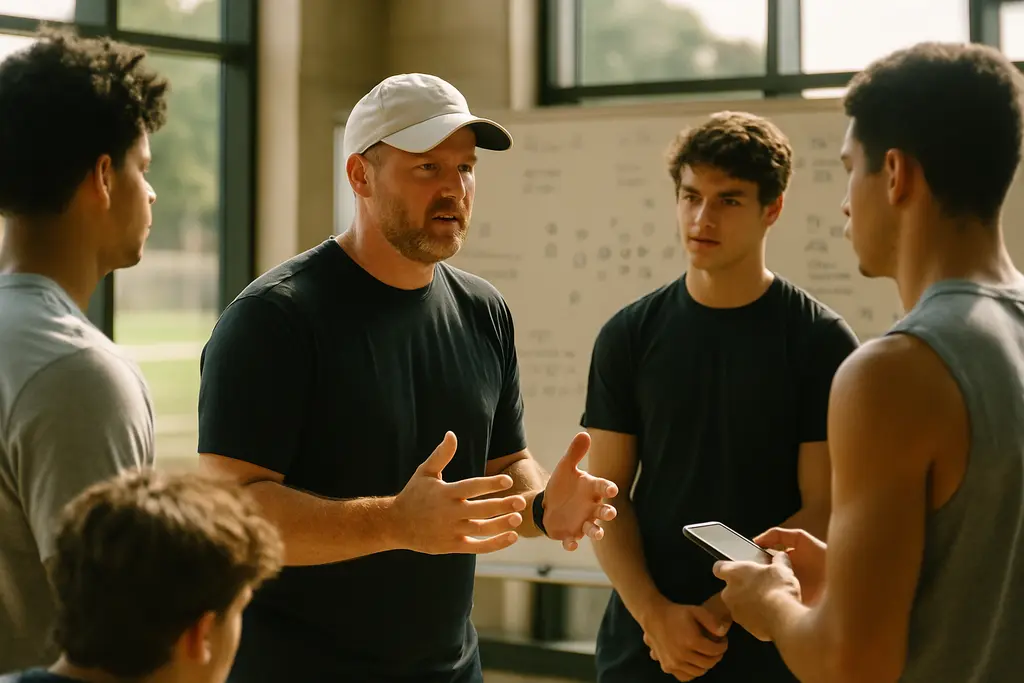
Sumrall’s first development message was direct. During offseason work, Florida players had to “earn the logo,” meaning they did not receive Florida logos on issued gear until they proved themselves in workouts, according to a Washington Post report. That approach gave the roster an early signal: reputation would not beat daily work.
Sumrall recruiting push And The Workout Test
The workout standard connects directly to recruiting. A staff can sign highly rated players, but the first real filter is how quickly they accept practice demands. For Florida, that is especially relevant with offensive linemen, young receivers and defensive prospects entering a league that punishes slow development. A recruit who arrives with size or speed still has to learn protection calls, route detail, tackling leverage and recovery habits.
The Sumrall recruiting push has leaned on that message. Florida has been selling opportunity, but not automatic status. That distinction is important for a roster trying to blend returning starters, transfers and high school prospects without creating a two-tier locker room.
Retention As Development
Retention was one of the first signs that the new staff had traction. The research notes identified at least five starters who stayed with Florida from the prior regime: running back Jadan Baugh, receivers Vernell Brown III and Dallas Wilson, linebacker Myles Graham and defensive end Jayden Woods. That group matters because development is not limited to freshmen. A coaching change can either reset returning players or stall them.
Baugh gives Florida a physical offensive piece to build around. Brown and Wilson keep young receiving talent in the room. Graham and Woods give the defensive staff players who had already been through SEC preparation. For a closer player-by-player view of that core, our recent breakdown of Gators key players fits the same roster-development thread.
Recruiting Wins Built Around Position Value
Florida’s 2026 class was salvaged into a top-15 national group under Sumrall, and the 2027 cycle gained early force with seven April commitments, including five-star offensive lineman Maxwell Hiller, four-star quarterback Davin Davidson, blue-chip lineman Peyton Miller and cornerback Aamaury Fountain, according to an On3 recruiting report. The key for player performance is not the class rank by itself. It is how those additions line up with Florida’s clearest roster needs.
Offensive Line As The First Signal
Hiller’s April 9, 2026 commitment stood out in the research as Sumrall’s first five-star recruit at Florida. He was listed as the No. 4 overall player in the 2027 cycle and the top offensive lineman nationally. That type of commitment can shift perception, but the development path is still demanding.
Offensive line is rarely plug-and-play in the SEC. High school dominance often comes from size and power. College success requires pad level, hand timing, communication and repeatable pass-protection technique. If Florida is building a more physical identity, Hiller and the other line additions are not just recruiting wins. They are test cases for whether strength work and position coaching can create a reliable front.
Skill Talent And In-State Reach
The research also pointed to Florida’s in-state movement in June 2026, when the Gators landed three of the top-10 prospects in the state: four-star wide receiver Tramond Collins from Cottondale, four-star quarterback Davin Davidson from Sarasota and four-star wide receiver Elias Pearl from Port Charlotte. None was described in the notes as a top-five in-state prospect, which keeps the evaluation grounded. Still, the gains were meaningful because they kept high-level Florida players connected to Gainesville.
For receivers, the development question is separation and route consistency. For Davidson, the quarterback path is about processing, ball placement and command of the offense. Florida does not need every young skill player to become an immediate star. It needs a clear ladder: special teams value, package roles, rotational snaps and then starting-level consistency.
How Florida Is Blending Classes And Transfers
The Sumrall recruiting push has worked on two tracks: high school recruiting and transfer use. That is the practical reality for a staff taking over a major SEC job. High school players set the long-term base, while transfers can patch age gaps and raise practice competition right away.
A Short-Term Roster Fix With Long-Term Stakes
The risk is imbalance. Too many short-term additions can block younger players. Too many developmental recruits can leave a team thin against older SEC opponents. Florida’s early approach, based on the research, has tried to do both: retain useful veterans, add transfers where immediate help was needed and stack high school commits at priority spots.
That matters most in the offensive line room. The research notes described line play as an early priority, with transfers and freshmen expected to compete for important roles. That competition can help if the staff keeps the evaluation honest. A veteran transfer can teach preparation habits. A high school signee can raise the ceiling. The best rooms usually have both.
Player Development Markers To Track
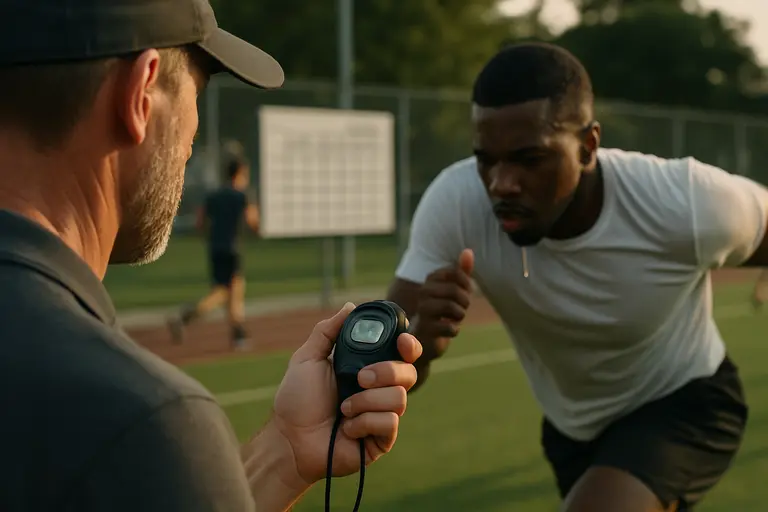
Recruiting momentum is easy to count. Player growth is harder, but there are practical markers Florida fans can watch without inventing statistics. The goal is to see whether the roster is producing clearer roles and cleaner football.
Roles Matter More Than Labels
A five-star label does not block a pass rusher. A four-star label does not read a coverage rotation. The next stage for Florida is translating the class into football jobs. That process should show up in how quickly young players earn trust in practice, how transfers fit into position rooms and how retained starters respond to new demands.
- Offensive line: Watch whether young linemen can handle communication and strength demands, not just size comparisons.
- Quarterback: Track command, timing and turnover avoidance before assuming any young passer is ready.
- Receiver: Route discipline and blocking effort will shape who gets on the field.
- Front seven: Graham, Woods and new defensive additions give Florida a measuring point for physical development.
- Special teams: Early coverage and return roles often reveal which freshmen are gaining staff trust.
That last point is often overlooked. Special teams snaps are not filler. They are a proving ground for body control, effort, tackling and assignment discipline. For a new staff trying to sort a deeper roster, those snaps can separate players who are close to offensive or defensive rotation work.
What The Sumrall recruiting push Means For Florida Players
The Sumrall recruiting push has given Florida more options, and options create pressure. Returning players have to keep jobs. Transfers have to justify quick roles. High school signees have to move from projection to production. That is the healthiest version of roster competition if the staff applies the same standard across the room.
As of October 11, 2026, the fairest read is that Sumrall has improved Florida’s talent pipeline on paper while tying it to a tougher development message. The next proof is not another ranking. It is whether players such as Baugh, Brown, Wilson, Graham and Woods keep growing, and whether recruits such as Hiller, Davidson, Collins, Pearl, Miller and Fountain enter clear development tracks. Florida’s recruiting push has become a player-performance story because the class will be judged by roles earned, not headlines won.