

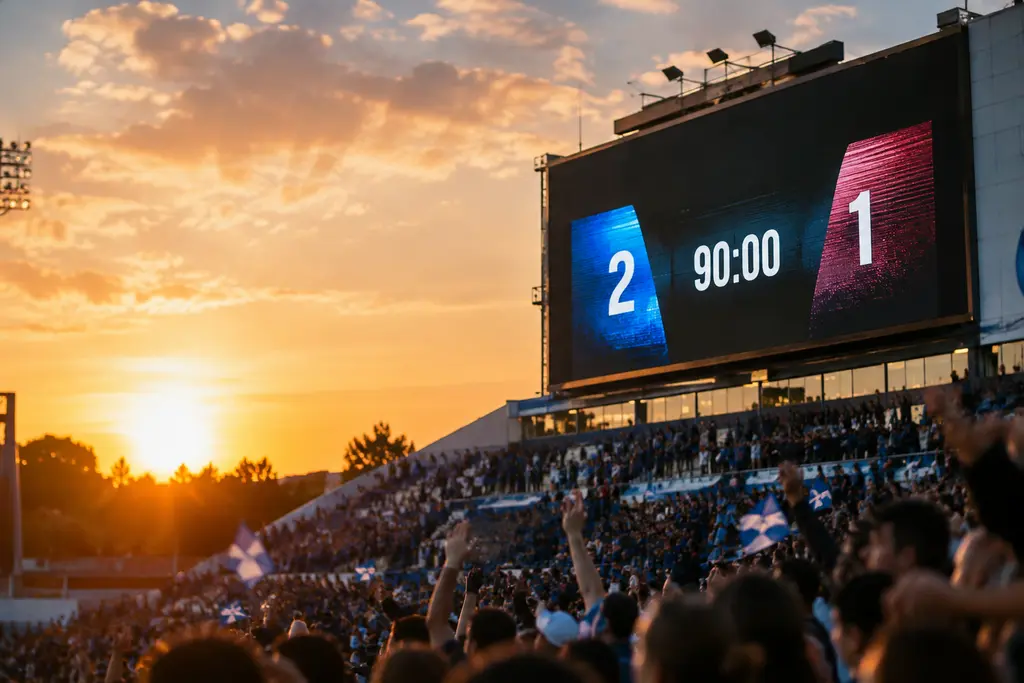
Florida Texas Recap starts with a clear game shape: Florida fell behind, stayed patient, leaned on possession football and let its defense close the door. The Gators beat Texas 27-24 on Saturday, October 17, 2026, at Darrell K Royal–Texas Memorial Stadium, a noon ET kickoff in Austin listed in the Florida broadcast information. For Florida fans, this was not just a road result. It was a study in how a backup quarterback plan, a steady run game and a pass rush can change a matchup that looked tilted toward Texas at halftime.
Florida Texas Recap By The Numbers
Florida Texas Recap Starts With The Setting
The game was played before 103,989 spectators in Austin, with sunny weather and a temperature near 59 degrees. The duration was listed at 3 hours and 14 minutes. Those logistics mattered because Florida had to handle an early local start for a road SEC game, a large Texas crowd and a first-half deficit without letting the game become loose or hurried.
Texas led 17-3 after two quarters. Florida then produced the comeback by scoring 24 unanswered points across the second half before the Longhorns closed the final margin. The official statistical record shows Florida finished with 313 total yards on 81 plays, while Texas had 272 total yards on 57 plays in the Florida-Texas box score. That play-count gap is one of the cleanest explanations for how the game turned.
The Possession Edge Changed The Pressure
Florida held the ball for 38:11 compared with Texas at 21:49. That gap did not come from explosive offense. It came from staying on schedule enough to extend drives and forcing Texas to play with fewer total possessions. The Gators ran 81 plays and gained 313 yards, a modest yards-per-play profile, but the volume worked because it limited Texas’ ability to stack scoring chances after building the 17-3 lead.
For this Florida Texas Recap, the most telling split is not just yardage. It is how Florida’s offense protected the game once it found footing. The Gators did not win by turning the afternoon into a vertical passing contest. They won by letting Tramell Jones Jr. play within the structure, pairing short and intermediate throws with Jadan Baugh’s rushing production and forcing Texas to defend snap after snap.
Quarterback Matchup And Offensive Control
Tramell Jones Jr. Managed The Risk
Tramell Jones Jr. made his first career start in place of injured Aaron Philo and completed 22 of 35 passes for two touchdowns with no turnovers. Both touchdown passes went to tight end Lacota Dippre. That combination mattered because Florida needed a stable answer at quarterback after the pregame change, not a high-variance performance built on deep throws and scramble plays. The broader quarterback context had been part of Florida’s season conversation, and the way Jones played in Austin connected directly to earlier questions around the Gators quarterback battle.
Jones’ value showed up in the absence of the negative play. Texas had the ranking, the home field and the early lead, so a turnover from Florida’s new starter could have turned the game into a chase. Instead, Jones kept Florida in manageable situations. His two touchdown throws to Dippre also showed why the tight end matchup became useful: throws to that part of the field can slow a pass rush, protect a quarterback making his first start and create red-zone answers without requiring low-percentage shots.
Jadan Baugh Gave Florida A Run-Game Base
Jadan Baugh ran for 91 yards, giving Florida the rushing foundation it needed to support Jones. The rushing output did not need to overwhelm Texas by itself. Its purpose was to keep the Gators ahead of the chains, bring linebackers into conflict and help Florida keep drives alive long enough to tilt time of possession.
Florida’s passing game finished with 155 yards. That number reflects the plan: enough efficiency to complement the run, enough tight end production to finish drives, and enough ball security to keep the defense from being put in short-field situations. Against a Texas team that had enough early offense to lead by two touchdowns, Florida’s offensive control became a defensive tool as much as a scoring tool.
How Florida’s Defense Flipped The Matchup
Pressure On Arch Manning Was The Swing Factor
Arch Manning threw for 173 yards and one touchdown with no interceptions. On the surface, that line avoided the obvious mistake. The deeper issue for Texas was protection and rhythm. Florida sacked Manning five times, and those sacks cut into drive structure. Texas finished 2 of 10 on third down, which paired with the sack total to show how often the Longhorns were pushed away from clean down-and-distance sequences.
The central defensive story in this Florida Texas Recap is that Florida’s pass rush did what its pass defense needed most: it shortened routes, sped up decisions and kept Texas from repeatedly attacking coverage down the field. Texas had 173 passing yards and 99 rushing yards. Neither phase created enough sustained answers once Florida stopped giving away field position through short possessions.
The Late Sack-Fumble Sealed The Direction
Myles Graham’s late sack-fumble was the clearest turning point at the end of the game. Florida had already climbed back from 17-3, but finishing a road upset requires a closing defensive play. The sack-fumble did that because it changed Texas’ final path from a potential comeback drive into a possession Florida could use to help secure the result.
That play also fit the pattern of the second half. Florida did not need its defense to win every snap cleanly. It needed enough disruption to make Texas string together long, mistake-free possessions. The Gators’ five sacks and Texas’ 2-for-10 third-down mark show that Florida repeatedly broke the Longhorns’ timing before drives could mature.
Game-Day Logistics And Momentum Swings
The Noon Kickoff Put Early Execution In Focus
The kickoff time, 12 p.m. ET and 11 a.m. CT, created a road rhythm that can be difficult for visiting teams. Florida’s start reflected that challenge: the Gators trailed by 14 at halftime. Yet the response after the break showed a team that did not abandon the plan. The staff stayed with a possession-based offensive approach, and the defense created enough pressure to give that approach time to matter.
The crowd size also made communication part of the matchup. With more than 100,000 in attendance, Florida’s offense had to manage cadence, protections and substitutions without letting the environment speed up Jones. The turnover-free quarterback line was a practical win within that setting. It meant Texas never got the easy change-of-possession sequence that often appears when a first-time starter is forced to chase points on the road.
Second-Half Control Beat First-Half Separation
Texas had the stronger first half on the scoreboard, but Florida owned the more important stretch. The 24 unanswered points after halftime changed the game because they forced Texas away from playing with comfort. Once Florida’s offense began extending drives, Texas had fewer chances to answer. Once Florida’s pass rush began to land, the Longhorns could not use those limited chances efficiently.
This is why the final score tells only part of the story. A 27-24 margin suggests a close game, and it was close late, but the structure shifted hard after halftime. Florida turned the afternoon into a possession-and-pressure contest. Texas was held to 272 total yards, and the Longhorns’ third-down issues kept the Gators from facing a steady series of long drives.
What The Florida Texas Recap Means For Florida
The main takeaway from Florida Texas Recap is that Florida found a repeatable road formula under difficult conditions: protect the quarterback, run the ball enough to control tempo, finish in the tight end area and let the defensive front attack obvious passing situations. The Gators improved to 5-2 and 3-2 in SEC play, while Texas dropped to 4-2 and 1-2 in the league. Those records matter, but the method may matter more for Florida’s staff.
Jones’ first start showed that Florida could adjust at quarterback without turning the offense into a limited package. Baugh’s rushing kept the structure intact. Dippre’s two touchdown catches gave the passing game a defined red-zone outlet. The defense, led by pressure on Manning and the late Graham sack-fumble, gave the comeback its finish.
For Florida fans, the game should be read as a connected performance rather than a single upset moment. The offense’s 81 plays helped protect the defense. The defense’s five sacks helped protect the offense. The time-of-possession edge reduced Texas’ chances to build on its early lead. In a road stadium with 103,989 spectators, Florida won by reducing the number of ways the game could get away from it, then by making the decisive defensive play when Texas needed one more possession.