

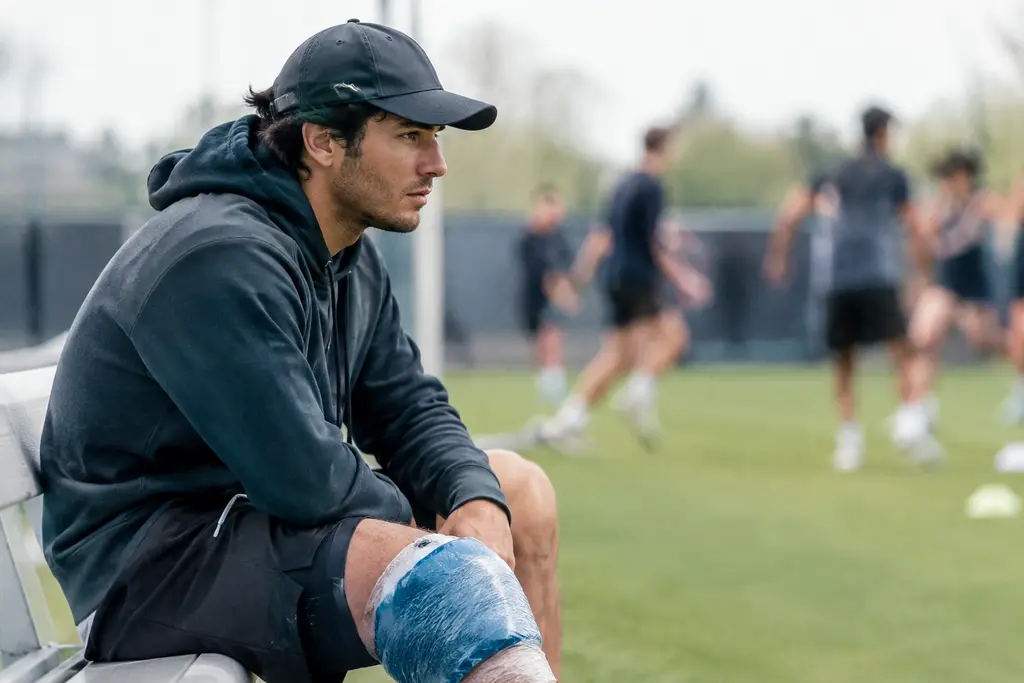
The Aaron Philo injury situation has become one of Florida’s key player-performance stories before the Gators face Georgia on Saturday, November 7, 2026, at Mercedes-Benz Stadium in Atlanta. Philo is expected to return after a shoulder injury suffered during Florida’s October 10, 2026, homecoming loss to South Carolina, and the evaluation is not just whether he can play. It is whether Florida can get the same timing, accuracy and decision-making that made him the clear first-team option before the setback.
As of November 3, 2026, Florida-Georgia had not yet been played. That matters for tone and evaluation: this is a pregame performance read, not a recap. The available information points to Philo being back in the plan. CBS Sports reported that Philo is set to start against Georgia after missing Florida’s 27-24 upset win over Texas because of the shoulder issue CBS Sports report. On3 also reported that he returned to practice during the bye week and took first-team reps while working back into form On3 practice update.
Aaron Philo Injury Status Before Georgia
Aaron Philo Injury And Practice Work
The clearest positive for Florida is that Philo’s return was not described as a late-week scramble. He returned to practice during the bye week, took first-team reps and moved closer to game availability before the Georgia matchup. That practice timing matters for a quarterback because shoulder recovery is not only about pain tolerance. It affects throwing volume, touch throws, drive throws outside the numbers and the willingness to take contact when a play breaks down.
The Aaron Philo injury came in a game where he still produced efficiently before the absence that followed. Against South Carolina on October 10, 2026, he completed 21 of 28 passes for 227 yards with one touchdown and one interception, and he ran 13 times for 32 yards. Those numbers fit the profile Florida had been getting from him: controlled passing, enough mobility to stress defenses, and a role that asked him to stay involved in the run game.
Why Probable Does Not Mean Fully Unrestricted
Florida’s staff has still had to manage the quarterback room with some caution. The research available before the game says Philo was upgraded from questionable to probable on October 31, 2026, and backup Tramell Jones Jr. was also upgraded to probable. Coach Jon Sumrall also indicated there was a real chance both quarterbacks could play against Georgia, while Philo was expected to remain the starter.
That creates a layered performance question. If Philo starts, Florida’s first drive can show whether the shoulder limits the call sheet. Quick-game throws, run-pass options and defined reads can help a returning quarterback settle in. Deeper outbreaking routes, late throws across the field and designed quarterback runs will tell more about how much trust Florida has in his shoulder and contact readiness.
Production Profile Entering The Rivalry
Accuracy Has Been The Foundation
Before the Georgia game, Philo’s statistical base was strong enough to explain why Florida would want him back in the starting role. Through six games in the 2026 season, he had completed 105 of 149 passes for 1,341 yards with nine touchdowns and three interceptions. That is a 70.5 percent completion rate, and the production placed him at about 223.5 passing yards per game among SEC starting quarterbacks, ranking seventh in that group according to the research provided.
The completion rate is the number that best frames his value. Florida does not need to describe Philo as a finished product to recognize what that efficiency does for an offense. It keeps the Gators out of long-yardage stress, protects the defense by extending drives and gives the play-caller more second-and-medium options. The Aaron Philo injury is concerning because shoulder health connects directly to that strength. If the ball location fades, the completion rate can drop even if the reads are still correct.
Recent Game Log Shows A Steady Baseline
Philo’s five-game stretch before Georgia showed more steadiness than volatility. Against Campbell, he went 16-of-21 for 242 yards with two touchdown passes and no interceptions while adding a rushing touchdown. Against Auburn, he completed 15 of 22 for 204 yards, one touchdown and one interception, with 22 rushing yards. Against Ole Miss, he completed 16 of 23 for 196 yards, one touchdown and no interceptions, and added one rushing score. At Missouri, he went 21-of-34 for 197 yards with one touchdown and no interceptions.
The pattern is not built on one outlier. It shows repeated completion efficiency, low interception volume and enough movement ability to remain part of Florida’s down-to-down structure. His rushing line through six games — 44 carries for 104 yards and three touchdowns — also suggests Florida had used him as more than a stationary passer before the shoulder issue.
How Florida Can Evaluate Philo Against Georgia
First-Half Throws Will Give The Best Clues
The first half against Georgia should give Florida its cleanest read on Philo’s function after the injury. Early throws to the field side can show whether his arm strength and confidence are intact. Intermediate throws between linebackers and safeties can show whether he is comfortable driving the ball without protecting the shoulder. Pocket reactions can show whether he is thinking about pressure or simply playing.
The Aaron Philo injury also changes how observers should read mistakes. A missed throw early does not prove he is limited. A series of late balls, shortened follow-throughs or repeated avoidance of certain route areas would be more meaningful. For a player whose production has leaned on accuracy, the details of ball placement matter more than raw yardage totals.
Tramell Jones Jr. Gives Florida A Managed Option
Jones being probable gives Florida a practical safety valve. Sumrall’s comment about both quarterbacks having a real chance to play does not have to mean a full rotation. It could mean Florida is prepared if Philo absorbs contact, if the shoulder tightens, or if certain packages fit Jones better. The key is whether the staff can avoid breaking offensive rhythm while protecting a quarterback who is returning from a shoulder problem.
For local Gators readers tracking the bigger quarterback arc, Philo’s path from transfer to Florida starter has been central to the season’s offensive identity. That broader background connects with our earlier breakdown of the Aaron Philo QB1 path, which focused on how he became the top option in the room.
Georgia Matchup Adds Personal And Regional Weight
The venue and opponent sharpen the story. Florida and Georgia are set for a 3:30 p.m. ET kickoff on November 7, 2026, at Mercedes-Benz Stadium in Atlanta. Philo is from Bogart, Georgia, and attended Prince Avenue Christian School near Athens. That does not change the mechanics of playing quarterback, but it does add a regional layer to how the matchup will be viewed across Florida and Georgia football circles.
From a player-performance angle, emotional context matters only if it affects play. The useful question is whether Philo stays within the structure that produced his pre-injury numbers. A Georgia native facing Georgia can easily become a narrative built around pressure. Florida’s staff will likely care more about protection calls, ball security, timing and whether he avoids forcing throws outside the design.
His interception total entering the game — three across 149 pass attempts — suggests he has generally protected the ball. That will be a critical part of Florida’s evaluation. A returning quarterback often wants to prove he is fully back. The better version of Philo for Florida is the one who keeps taking the throws that are available, uses his legs only when the situation calls for it and lets the offense build manageable downs.
What Aaron Philo Injury Means For Florida’s Plan
The Aaron Philo injury does not erase what he showed before the shoulder setback. It changes the checklist. Florida already knows he has completed passes at a high rate, limited interceptions and added short-yardage rushing value. The Georgia game asks whether those traits carry over after time away from live action.
Three areas should define the review after kickoff: accuracy outside the numbers, comfort after contact and third-down decision-making. If Philo handles those areas, Florida can treat his return as a stabilizing point for the offense. If the shoulder affects velocity or confidence, the staff may need to shorten the passing menu or use Jones in selected situations.
For now, the evidence supports a fair middle ground. Philo is expected back in the lead role, but Florida has prepared for quarterback flexibility. That is the right posture for a rivalry game with a starter returning from injury: trust the production that earned him the job, while watching closely for signs that the shoulder changes how the offense has to function.