

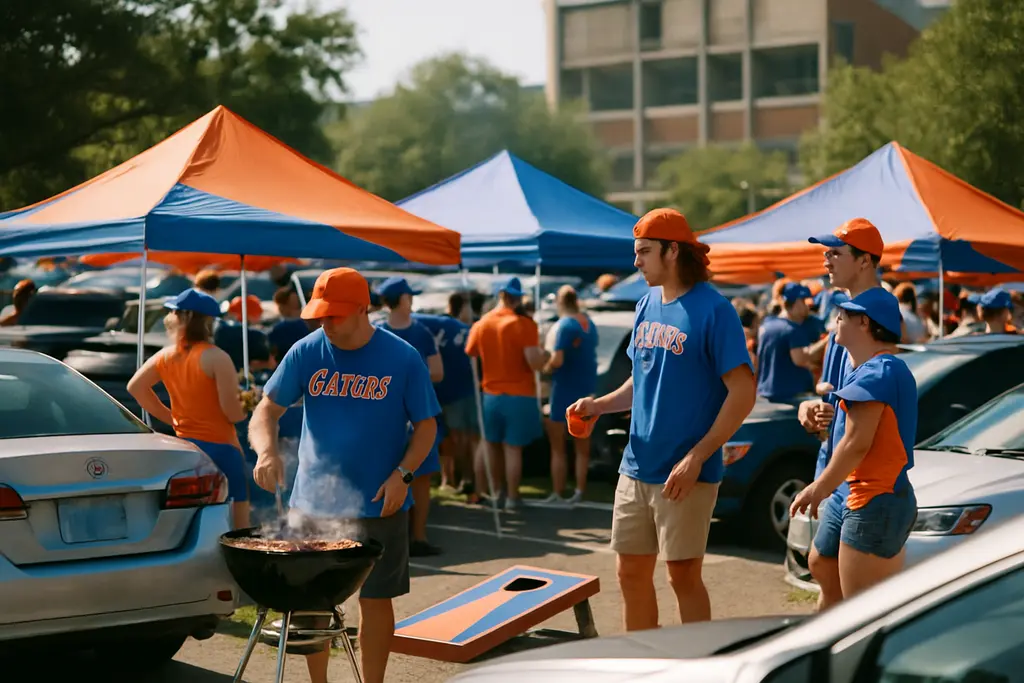
Gators Parking Solutions in 2026 moved beyond the old search for the closest open lot. Florida’s home-game operation mixed tighter campus restrictions, new fan gathering options near The Swamp and long-range stadium planning tied to the approved Ben Hill Griffin Stadium renovation.
The changes did not erase Gainesville’s parking crunch. A stadium with a listed capacity of approximately 88,548 still brings heavy pressure to streets, student lots, surface parking and private spaces around campus. But the direction was clear by October 16, 2026: Florida has been trying to shift game day from a lot-by-lot scramble into a more planned system built around earlier movement, clearer access points and more walkable pregame options.
Gators Parking Solutions Move From Lots To Flow
What Gators Parking Solutions Changed In 2026
The biggest shift was not one single garage or app. It was the way parking connected to the rest of the game-day process. For the Sept. 5, 2026 home game against Florida Atlantic, UF Transportation and Parking Services used structured restrictions that affected student-permit lots, “Any Permit” lots, motorcycle and scooter zones, and selected surface lots. Some vehicles had to be moved by set deadlines as early as Friday, Sept. 4, with relocation at the owner’s expense listed as the consequence for missed deadlines.
That type of system put more responsibility on fans, students and campus users before kickoff day. It also gave UF more control over how close-in spaces were cleared for game operations. In practice, parking was no longer just a Saturday decision. For many people around campus, it became a Friday planning issue.
Road operations remained part of the same equation. Gainesville has continued to use road closures and one-way street designations around campus on game days, including changes near University Avenue and other high-demand approaches. Those measures are designed for inbound and outbound traffic movement and pedestrian safety, but they also narrow the margin for late-arriving drivers who are still searching for a place to park.
Why Earlier Movement Became The Pattern
The Sept. 5 game also showed how parking, entry and pregame timing were tied together. Premium gates opened at 5:45 p.m., general gates opened at 6:15 p.m. and kickoff was set for 7:45 p.m. Fans were urged to use mobile tickets through the Florida Gators app and add tickets to digital wallets before reaching the stadium. While ticketing is not a parking tool by itself, quicker entry can reduce crowd buildup at gates after fans finish the walk from lots, private spaces or nearby tailgate points.
That matters in Gainesville because the area around Ben Hill Griffin Stadium compresses a large crowd into a tight campus footprint. If fans delay parking, walking and ticket access until the same narrow window, congestion builds on several fronts at once. If those steps spread out across the afternoon, the stress shifts away from the stadium perimeter.
Stadium Renovation Adds A Longer Parking Timeline
Construction Plans Keep Game Days In Place
Florida’s approved $1.45 billion renovation of Ben Hill Griffin Stadium gave the 2026 parking discussion a longer frame. The project is set to start after the 2026 season and aims to be finished before the 2030 season. UF says the work will include better traffic flow, accessibility upgrades, improved infrastructure and enhanced wayfinding, according to the school’s stadium renovation FAQ.
The same FAQ says stadium seating capacity will remain approximately 88,548 and that the historic bowl design and Orange Wing Walls will be retained. That means Florida is not planning to solve parking demand by sharply reducing the size of the crowd. Instead, the program’s challenge is to move nearly the same number of people with better systems around the venue.
For Gators Parking Solutions, the near-term point is continuity. UF has said parking and tailgating will continue during construction, though some stadium areas will be modified during certain phases. That gives fans a useful signal: the 2027, 2028 and 2029 game-day plans may look different in spots, but parking and tailgating are not scheduled to pause while construction changes the stadium.
The renovation timeline also gives Florida time to test traffic flow, signage and access changes before the fully rebuilt stadium operation is in place. The fan impact will depend on phasing, which spaces are affected and how clearly changes are communicated before each home date. Our related breakdown of Swamp renovation plans tracks how the post-2026 project fits the broader game-day plan.
Wayfinding Becomes A Football Operations Issue
Wayfinding can sound like a stadium design detail, but on Florida game days it affects football operations. Clearer routes help fans decide where to enter campus, where to park, where to walk and when to move toward the gates. Poor direction creates late surges, blocked intersections and longer pedestrian crossings near the stadium.
That is why parking has become part of the program’s broader venue strategy. Traffic flow, accessibility and signage all affect the same goal: moving a full crowd into and away from The Swamp without letting congestion spill across campus for longer than necessary.
Tailgating Options Pull Fans Closer To The Swamp
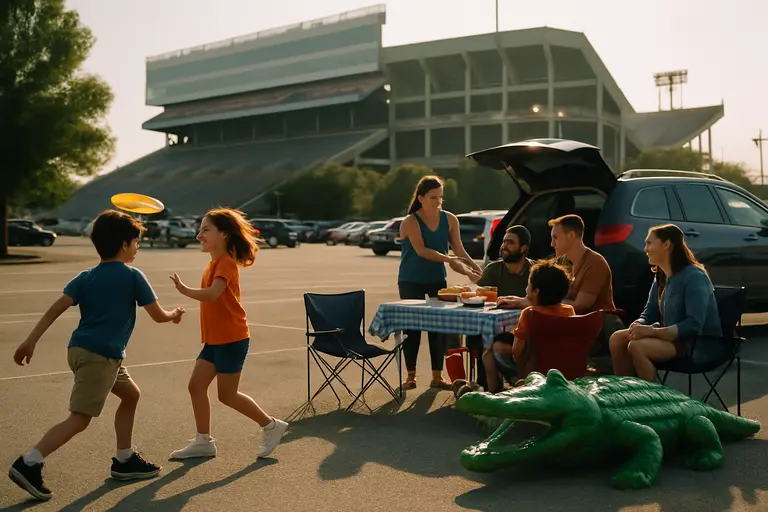
Indoor Tailgate Space Changes The Walk
One of the clearer fan-facing changes was the Game Room Game Day Tailgate at the Reitz Union. UF’s page lists a 14-lane bowling facility, an LED video wall, console gaming space, live sports streaming and a location 0.2 miles from The Swamp, with an estimated walk of about three minutes, through the Game Room Game Day Tailgate.
That offering matters because it gives some fans a pregame location that is already close to the stadium. It does not replace traditional tailgating, private parking or remote lots. It does, however, give Florida another tool to concentrate some pregame activity within walking distance of the gates.
For families, alumni groups and fans who do not want to build a full tailgate setup around a vehicle, the Reitz Union option changes the day’s math. A shorter walk can reduce dependence on close-in parking. It can also make remote parking or drop-off plans more workable if the final pregame stop is indoors and near the stadium.
Private Spaces Entered The 2026 Mix
Outside UF’s official operation, private parking continued to be part of the Gainesville game-day market. A startup app named Parkey, founded by UF students, allowed homeowners, businesses and other property owners to list event-day spaces. The app was tested during the spring Orange & Blue game and at the Morgan Wallen concerts on May 15-16, 2026, and it was open for driveways and yards around Gainesville as of July 28, 2026.
That model fits a city where demand rises sharply around kickoff. Private driveways and yards cannot replace campus operations, but they can add supply in walkable neighborhoods. They also require fans to think earlier about arrival routes, payment, walking distance and postgame exit direction.
- Campus lots: Controlled by UF restrictions and relocation deadlines on selected dates.
- Private spaces: Useful for fans who plan ahead and accept neighborhood walks.
- Indoor tailgate venues: Helpful for fans who want a close pregame base without a full vehicle setup.
- Road controls: Necessary for safety, but they reward drivers who choose routes before reaching campus.
Why Gators Parking Solutions Matter For Fans
Gators Parking Solutions mattered in 2026 because Florida’s home-game crowd was still operating inside a dense campus setting while the school prepared for a major stadium rebuild. The key change was not that parking became easy. It was that fans had more signals to plan around: earlier lot-clearing deadlines, known gate windows, mobile entry reminders, near-stadium tailgate options and a renovation plan that keeps parking and tailgating active during construction.
The football connection is direct. Better parking flow helps control arrival patterns, gate pressure and postgame movement. That affects the stadium atmosphere before kickoff and the way fans experience a full Saturday in Gainesville. With construction scheduled after the 2026 season, the next test is whether Florida can keep those systems clear and predictable while the stadium project changes parts of the game-day footprint.
For now, the 2026 lesson is simple: fans who treated parking as part of the full game-day plan had more options than those who waited until the last approach to campus. Gators Parking Solutions became less about finding a single perfect space and more about matching the parking choice to the tailgate, the walk, the gate time and the exit route.