

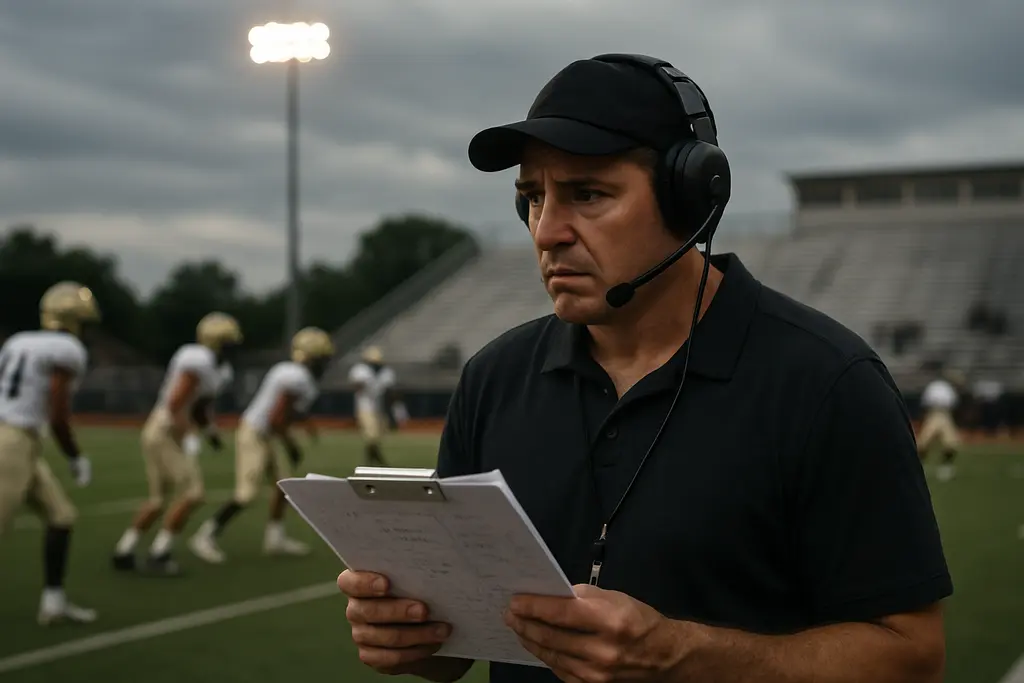
For Florida high school programs, football logistics are no longer just a Friday afternoon task. They touch roster flow, gate staffing, officials, security, transportation, bands, concessions, livestream crews and weather calls. A packed schedule can still work, but only when athletic directors and coaches treat game day as an operations plan rather than a single kickoff time.
The pressure has been easy to see across high school football. Participation has risen, weather has forced short-notice changes, and schools have had to manage added costs when games are delayed or moved. For Florida fans, that matters because the same issues affect kickoff windows, road trips, family attendance and whether a rivalry game stays on its original night.
Why Football Logistics Are Under More Pressure
Participation Growth And Football Logistics
High school sports participation reached a record 8,415,684 athletes in the 2025-26 academic year, according to NFHS figures reported by NFL Play Football. Boys 11-player football included 1,043,716 participants, up 1.4% from the prior year and the highest mark since 2016-17 NFL Play Football participation report. Total football participation across boys 6-, 8-, 9- and 11-player versions and girls tackle-football versions reached 1,081,241, up 11,597 from the previous year.
Those national numbers do not automatically tell a Florida school how many tickets it will sell on a given Friday. They do show why game-day planning can feel heavier. More athletes mean more family traffic, more equipment movement, more sideline organization and more coordination among coaches, trainers and school staff. A varsity game may be the headline, but the week often includes junior varsity, freshman teams, middle-school feeder activity and band or cheer schedules that compete for the same campus resources.
What Bigger Rosters Change On Friday
Roster size affects more than the sideline. It can change bus counts, pregame meal timing, locker-room flow and how early teams must arrive. For home teams, the operations staff has to think about where players enter, where visiting teams unload, where officials park and how medical access stays open if the crowd grows. For away games, travel timing matters because a late bus can compress warmups and push coaches into rushed communication before kickoff.
This is where football logistics become part of competitive preparation. Coaches want a clean warmup, special teams periods, injury checks and communication with officials before the ball is kicked. Athletic directors want gates staffed, tickets scanned, security posted and weather plans ready. The best-run nights are usually the ones where fans notice very little because the operational work happened hours earlier.
Weather Delays Turn Schedules Into Operations Plans
What 2026 Delays Showed
Weather disruptions during the 2026 high school football season showed how quickly a schedule can shift. On August 14, 2026, lightning delays affected nearly every Southern Nevada opener in the research notes, with games paused, postponed, suspended or canceled depending on conditions. On August 20, 2026, New Mexico openers were changed by lightning, including at least one postponement to August 22 and other adjustments such as shorter quarters or altered halftime schedules. On August 28, 2026, storms and flooding in San Antonio led to canceled or postponed Week 1 games.
For Florida readers, the lesson is direct even when the examples came from outside the state. A kickoff time is only one part of the plan. Schools also need a delay policy, a communication chain and a plan for what happens if teams, officials, buses and fans are already on site. Florida fans tracking weather-related schedule movement can also compare those issues with prior Isaias schedule changes that affected high school football planning.
Cost And Staffing Ripple Effects
Delays do not only test patience. They can create real operating costs. In Upstate South Carolina, one athletic director said three of four Easley High games had been delayed, with postponements leading to extra fees for officials, security costs of about $1,000 per game and transportation expenses Yahoo Sports weather delay report. Florida schools face the same basic categories when a game stretches late or moves to another date: people, buses, facilities and security all have to be reset.
That is why weather planning should not sit in a separate folder from scheduling. If a game moves from Friday to Thursday, the school may need to adjust ticket staffing, band transportation, concessions purchasing and classroom-day communication. If a game moves to Monday, it can interfere with practice plans, film review, junior varsity schedules and the next varsity opponent. A delay that looks simple on a public schedule can carry a full set of behind-the-scenes decisions.
Game-Day Operations Checklist For Florida Schools
Before Gates Open
A practical game-day plan starts well before fans enter the stadium. Florida schools dealing with crowded calendars need one shared document that identifies the decision-maker, weather contact, officials contact, transportation lead, security lead and public communication channel. That structure reduces confusion when a storm cell appears or a visiting bus runs late.
- Confirm kickoff window: Check varsity, sub-varsity and facility calendars so no two events compete for the same gates, locker rooms or parking areas.
- Assign weather roles: Identify who monitors conditions, who speaks with officials and who communicates delay decisions to teams and fans.
- Protect access points: Keep emergency routes, team drop-off areas and official parking clear even when attendance rises.
- Set communication order: Decide whether coaches, administrators, ticket staff, visiting schools and families receive updates by phone, email, text system or public address.
- Review staffing backups: Plan for late arrivals, extra gate needs, concession changes and security extensions if the game runs longer than expected.
After A Delay Is Called
The hardest part of football logistics often starts after a delay becomes official. A school has to keep players supervised, fans informed and staff on the same message. Coaches need to know whether players should stay dressed, stretch again or return to the locker room. Administrators need to know whether ticket gates remain open and whether concessions pause or continue. Families need direct language, not rumors passed along the bleachers.
The safest communication style is specific and time-stamped. Instead of vague updates, schools can tell fans the game has been delayed, the next update will come at a stated time and no restart will happen until officials and administrators approve it. That keeps the focus on the process and avoids promising a new kickoff before conditions allow it.
Scheduling Choices That Protect The Week
Thursday, Friday And Monday Windows
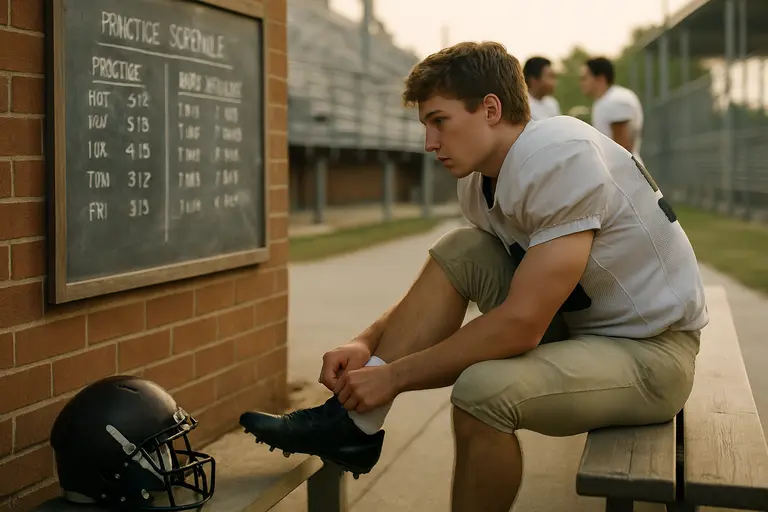
Busy schedules become easier to manage when schools think in windows rather than one fixed night. Research notes from the Gulf Coast showed that 18 high school football games were moved from Friday to Thursday before October 8, 2026, because of Hurricane Isaias, while three others were pushed to Monday, October 12. That kind of movement creates different pressures. Thursday games shorten preparation. Monday games reduce recovery before the next contest.
For Florida teams, the tradeoff is familiar. Moving earlier can protect the game from weather but may complicate school-night attendance and practice timing. Moving later can preserve Friday preparation but may squeeze film work, treatment, academic routines and the next opponent’s scout period. Athletic directors have to weigh the game itself against the rest of the week.
Shared Resources And Travel Timing
Many game-day issues come from shared resources. A stadium crew may also support soccer, band events or middle-school games. A bus provider may serve several schools on the same afternoon. Security and officials may be assigned across a county or region. When one game moves, the change can affect other contests.
Travel also shapes fan planning. A short in-county rivalry can absorb a late start more easily than a long road trip. If a visiting team has a long return after a weather delay, administrators may have to factor in driver availability, student supervision and arrival times back on campus. Fans should watch official school updates closely after any delay because a revised kickoff can change parking, gates and postgame pickup plans.
What Football Logistics Mean For Florida Fridays
Football logistics now sit close to the center of high school football planning. Bigger participation numbers raise the scale of Friday operations. Weather delays can change costs and staffing. Short-notice moves can alter recovery, travel and family plans. None of that replaces the football itself, but it shapes whether the night runs cleanly enough for players to perform and fans to follow the schedule.
For Florida fans, the practical move is simple: treat kickoff times as planned windows, not guarantees, especially during weather-sensitive parts of the calendar. Check school channels before leaving, build in travel time and watch for updates on gate openings, postponements and restart times. For schools, the priority is a clear chain of command and a schedule plan that can flex without leaving teams, families or staff guessing.