

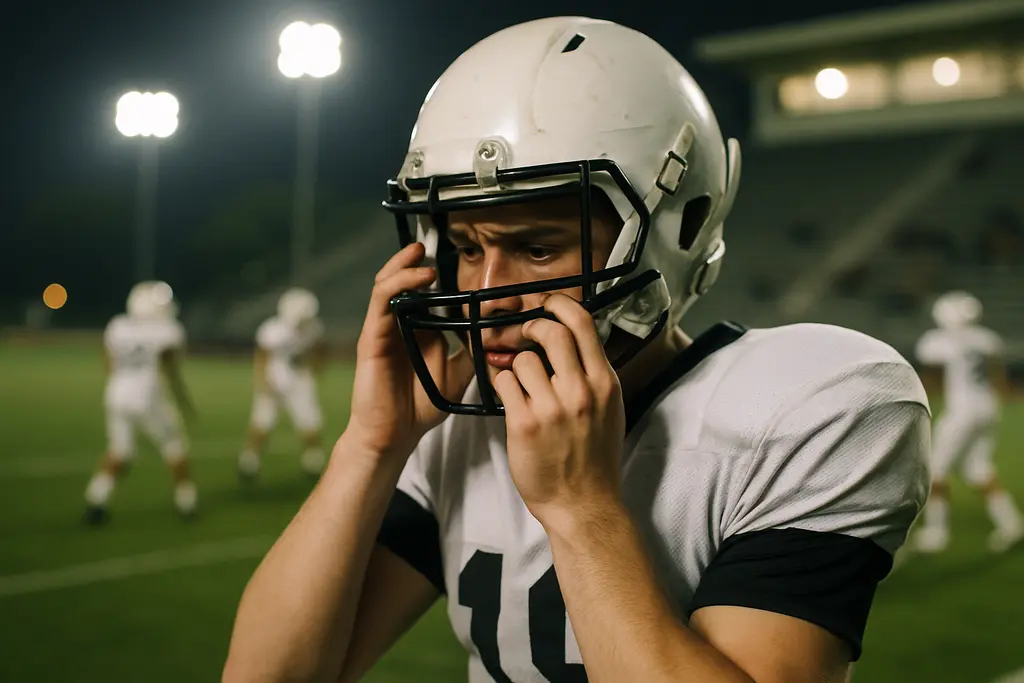
Florida Blue-Chip Prospects have made the 2026 high school cycle a depth test for college staffs, not just a chase for a few national names. As of October 5, 2026, the state has been tied to a large group of ranked recruits, with separate public counts showing more than 50 four- or five-star players depending on the service and ranking model used. That volume matters for Florida, Miami, Florida State and every out-of-state program that treats the state as a priority recruiting base.
The core trend is simple: Florida is producing enough top-end players that schools cannot recruit the state only by visiting the usual powers late in the cycle. They have to evaluate earlier, manage relationships across multiple regions and understand how transfer rules changed the way rosters are built at the high school level. The 2026 group also connects directly to the 2027 class, where early commitments have already tightened the board for many college programs.
Florida Blue-Chip Prospects Set The 2026 Pace
Florida Blue-Chip Prospects By Evaluation Count
The updated Rivals Industry Ranking for the 2026 class counted 58 players from Florida as blue-chip recruits, meaning four- or five-star prospects, according to On3’s Rivals update. That number is close to other public counts in the research notes, including one tracker that listed 307 ranked Florida recruits and 57 blue-chip players in the 2026 cycle. The small difference is not unusual. Recruiting services update rankings at different times and use different evaluation formulas.
For coaches, the exact count is less important than the range. Florida did not offer a thin top tier in 2026. It offered a deep one. That changes how college programs assign recruiting resources. A staff that misses on one elite prospect in South Florida can still pursue another in the Tampa Bay area, Central Florida, the Jacksonville area or the Panhandle. A staff that waits too long can lose contact with several prospects before official visits become decisive.
Why The Blue-Chip Label Matters
The blue-chip label is not a guarantee of college production. It is an evaluation marker that tells programs a player has traits that project to Power Four football. In the 2026 cycle, one On3-based research note said Florida had 52 four- or five-star prospects and that all but one signed with a Power Four program. That detail points to the real recruiting value of the state: college staffs are not simply offering Florida players for depth. They are signing them to fill premium roster needs.
Florida Blue-Chip Prospects tend to affect several position rooms at once. A school may need a cornerback who can cover slot speed, an edge defender with length, a receiver who can win outside, or a safety who can handle space. Florida high school football produces athletes in those roles because the state has speed, year-round competition and a large number of programs playing serious schedules. The result is a 2026 board that rewards staffs with strong local contacts and punishes those relying only on late national offers.
Policy Changes Add Pressure To High School Rosters
Transfer Rules Changed The Calendar
Recruiting in Florida cannot be separated from high school roster movement. On May 22, 2026, Gov. Ron DeSantis signed Senate Bill 538 and related legislation, with key changes effective July 1, 2026. The research notes state that non-traditional students, including charter, virtual and homeschool students, must play for a high school in their home county, and that playing for more than one school in a single academic year is generally barred unless an exception applies.
Those rules were aimed at school hopping and athletic recruiting concerns. For college evaluators, the practical effect is roster stability becoming more valuable. If a prospect stays in one program through the fall, staffs can compare junior and senior film in the same system. If a player changes schools under an exception, evaluators have to account for scheme fit, competition level and whether the move changed the player’s role.
Coach Support And Recruiting Lines
The research notes also include the 2026 “Teddy Bridgewater Act,” which allows high school head coaches to use up to $15,000 per team per year from personal funds for student-athlete welfare expenses such as food, transportation and physical therapy. The same notes state that those funds cannot be used for recruiting, must be reported and apply only to head coaches.
That distinction matters in a state with so much talent. Welfare support can help players remain connected to their teams, get to practices and manage basic needs. It cannot become a recruiting tool. For schools trying to keep rosters steady, the law creates a formal channel for help while drawing a line around improper inducement. For college recruiters, it adds one more reason to understand how each high school program is operating before making assumptions about player movement.
This is also why the state’s recruiting story connects with broader high school rules coverage, including the way the Florida HS recruiting model has shifted toward development and retention. Talent identification is still central, but roster context now matters more than it did in earlier cycles.
Position Trends Carry Into The 2027 Cycle
Early Commitments Narrow The Board
The 2027 class gives a preview of how quickly boards are tightening. As of August 14, 2026, Florida had 37 blue-chip prospects in the 2027 class who were set to play their senior seasons in the state, and all 37 were already committed, according to Yahoo Sports’ Florida recruiting report. That is a strong signal about timing. Schools that are not building relationships before junior film is fully digested may already be chasing from behind.
Among those 37 prospects, 13 were committed to Miami, Florida or Florida State, with Miami holding seven. That does not settle any future signing race, but it does show that the in-state programs had secured a meaningful early share of the top 2027 group by mid-August 2026. It also shows why the 2026 cycle should not be viewed in isolation. The same high schools, trainers, seven-on-seven circles and regional contacts often shape consecutive classes.
Receivers, Edge Rushers And Defensive Backs Stand Out
The 2027 position mix listed in the research notes included nine wide receivers, seven EDGE rushers, six cornerbacks and four safeties among Florida blue-chip recruits as of August 2026. That distribution fits how colleges recruit the state. Florida has long been valued for perimeter speed and defensive backs, but the EDGE number is just as important. Modern college defenses need pass rushers who can win in space and still hold up against the run.
The rise of Florida Blue-Chip Prospects at those positions puts pressure on college staffs to evaluate traits beyond camp testing. A receiver’s route detail against press coverage, an EDGE player’s first-step timing, a cornerback’s recovery speed and a safety’s tackling angles all show up in Friday night film. With so many committed players in the 2027 group by August 2026, staffs had to make those judgments early.
What The 2026 Trend Means For Florida Programs
Recruiting Has Become A Retention Test
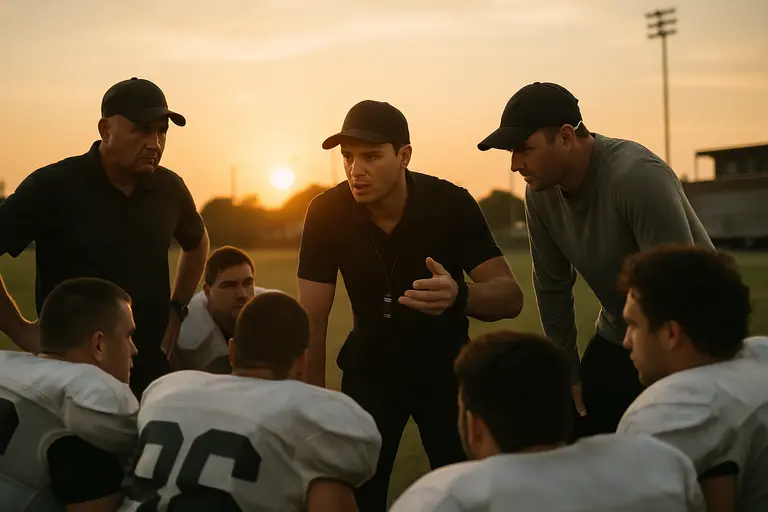
The rise of Florida Blue-Chip Prospects is not only about who signs where. It is also about which high school programs can keep talented rosters together long enough for players to develop. The new transfer rules, effective July 1, 2026, were designed to reduce movement advantages across school choice options. The real test is how those rules play out in different counties, especially in talent-heavy areas where a few roster moves can change a district race.
For high school coaches, retention now sits beside scheme, strength training and game planning. A player who feels supported academically, physically and socially is more likely to stay connected to a program. A player who lacks transportation or basic support may be more vulnerable to outside pressure. That is why the welfare-expense rule has football consequences even though it is not a recruiting rule.
College Staffs Need Regional Discipline
Florida’s 2026 recruiting volume also makes lazy evaluation costly. A program cannot simply recruit “the state of Florida” as one place. South Florida, Central Florida, the Tampa Bay area, the Jacksonville area and the Panhandle have different schedules, coaching networks and competitive profiles. A staff that understands those differences can find the right player fit. A staff that treats every prospect as interchangeable can misread production.
That is especially true with Florida Blue-Chip Prospects because many are already heavily recruited before their senior seasons. The margin is not just about offering first. It is about showing a clear development plan, a realistic depth chart path and a relationship with the high school staff that holds up through the full cycle.
Why Florida Blue-Chip Prospects Define 2026 Recruiting
Florida’s 2026 cycle stands out because the state combined volume, top-end talent and policy change at the same time. The On3/Rivals count of 58 blue-chip recruits gave the cycle national weight. The transfer and coach-support changes added local context. The 2027 class showed that early commitments were already shaping the next board before many fans had fully shifted past 2026.
For Florida football readers, the key takeaway is practical. Florida Blue-Chip Prospects are not just names on a rankings page. They affect high school roster stability, college scholarship strategy, in-state rivalry recruiting and the way programs build future depth. The schools that read those signals early are better positioned than the ones reacting after the board has already moved.