
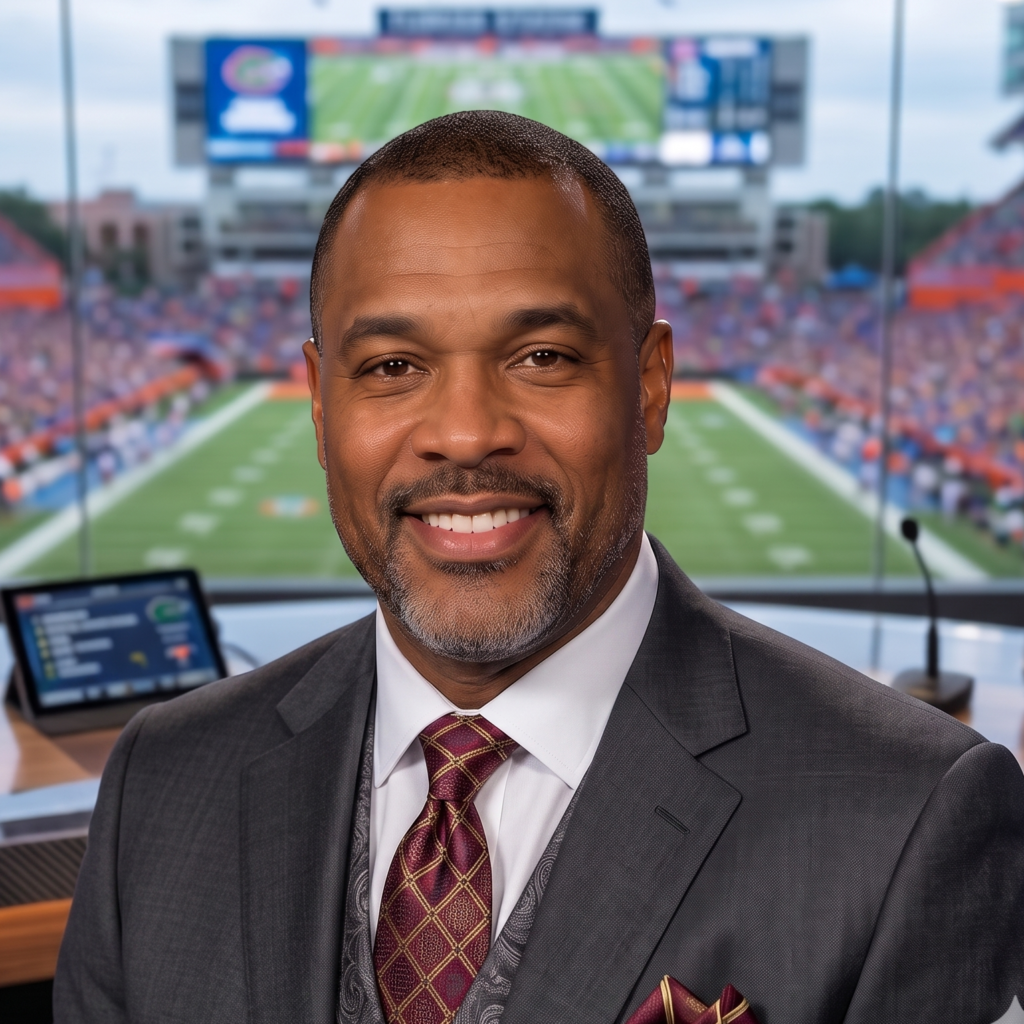
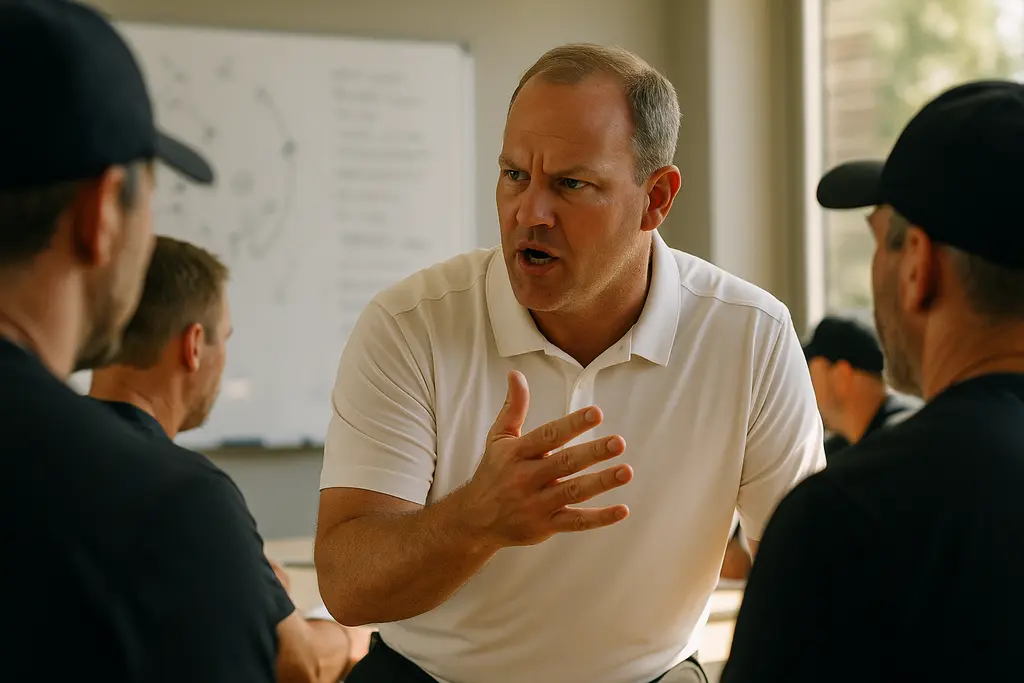
The Jon Sumrall hiring has given Florida a defined coaching reset: urgency in the building, a tougher practice tone and a stated push toward a more physical defensive identity. The clearest public signals so far come from spring camp observations and reporting on Sumrall’s defensive priorities, not from a finished depth chart or a full offensive blueprint. That matters because coaching transitions in Gainesville are judged quickly, but the first measurable change often comes before the first game: how players practice, how coaches demand effort and how the roster responds to a different standard.
How The Jon Sumrall Hiring Changes The Plan
Florida’s coaching strategy under Sumrall appears to start with tempo and accountability. The program’s official spring camp coverage described a real personality shift around the Gators, with more intensity and engagement during practice work Florida’s spring camp report. That is not a full scouting report, but it is a useful marker. A new head coach can change meeting structure, practice pace and daily expectations before he changes scheme.
The early message is not subtle. Sumrall’s approach, based on the available reporting, is built around faster improvement and a more demanding environment. Florida has been through enough coaching resets to know that tone alone does not win SEC games. Still, tone is where staff alignment starts. If assistants, strength staff and players are hearing the same standard every day, the program has a better chance to create a consistent identity by the time conference play arrives.
What The Jon Sumrall Hiring Signals
The Jon Sumrall hiring signals that Florida wants a coach comfortable making toughness part of the public job description. Sports Illustrated reported that Sumrall is attempting to re-establish a toughness around the program reminiscent of the Urban Meyer era Sports Illustrated report. That comparison carries weight in Gainesville because Meyer’s best Florida teams paired defensive edge, special-teams pressure and explosive scoring with a strong practice culture.
The safer read is not that Florida is trying to copy a past era play for play. The modern SEC is different, and the available research does not provide enough detail to say how every unit will be structured. The supported takeaway is narrower: Sumrall wants a team known for physical play, and the first public accounts from spring camp suggest the staff is pushing that message daily.
Defensive Identity Becomes The Starting Point
Defense is the most direct line from Sumrall’s profile to Florida’s coaching strategy. The research points to a desired return to a tough, aggressive unit. For Florida fans, that is more than branding. In the SEC, defensive identity affects substitution patterns, recruiting priorities, third-down packages and how aggressive an offense can be with field position.
A feared defense, as described in the research, requires more than pressure calls. It requires a roster that tackles consistently, communicates before the snap and handles tempo without busts. The available public reporting does not give a full scheme manual, so any claim about specific fronts, coverage rates or blitz volume would go beyond what is verified. What can be said is that Sumrall’s stated direction puts physical defense near the center of Florida’s rebuild.
Why Toughness Is A Coaching Strategy
Toughness can sound like a vague football word, but inside a program it shows up in practical places. It can shape how practices are scripted, how contact periods are graded, how missed assignments are handled and how players compete for roles. If Florida’s practices are more urgent, as the official camp report indicates, that gives the staff a daily test of who fits the new standard.
That also affects roster management. Players who respond to a higher-demand practice structure tend to move up faster in a transition year. Players who do not can lose ground even before a public depth chart is released. For related roster context during the coaching change, this site has tracked Florida Gators transfers 2026 as part of the broader program reset.
Offensive Questions Stay Tied To Practice Standards
The research notes that Sumrall has talked about pairing an explosive offense with a feared defense and expressed confidence in the existing roster. That gives Florida a clear ambition, but not yet a fully verified offensive identity. The available high-authority sources are stronger on defensive tone and spring practice culture than on formation usage, tempo plans or quarterback distribution.
That distinction matters. Fans can expect the staff to chase explosive plays because that has been part of the public message, but it would be premature to label the offense by a specific system based only on the available material. The more useful angle is how the offensive staff operates inside Sumrall’s broader demand structure. If practices are faster and more competitive, offensive players will be evaluated on execution under stress, not just install knowledge.
Florida’s quarterback situation will remain central to how the offense takes shape. The staff’s preferred practice rhythm, protection standards and explosive-play goals will mean little if the quarterback room does not settle into efficient operation. For a closer team-news angle on that piece of the transition, see the related breakdown of the Florida Gators quarterback battle.
What Remains Unsettled On Offense
The Jon Sumrall hiring has changed the tone around the program, but it has not answered every offensive question. The research does not verify a final play-caller structure, a public first-team offensive line, or how carries and targets will be divided. Those details will decide whether the stated goal of explosiveness becomes week-to-week production.
The early staff task is to connect ambition with roles. Explosive offense requires timing, protection and players who can win space. It also requires a defense and special teams operation that avoid leaving the offense in constant long-field situations. Sumrall’s broader plan, based on what is available, appears to treat team identity as connected rather than split into separate units.
Recruiting And Retention Fit The Urgency
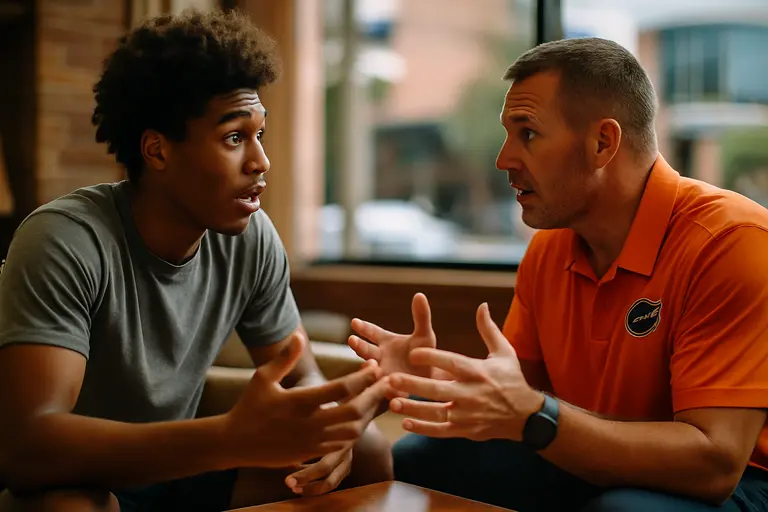
The research says Sumrall prioritized retaining existing talent during the transition and that Florida’s 2025 class saw only one de-commitment. Because the allowed source set for this article does not include the original reporting on that recruiting point, it should be treated here as part of the provided background rather than expanded into new claims. The broader strategic point is still clear: a coaching change tests roster stability right away.
Retention is a coaching strategy because it protects development time. When a new staff keeps enough of the roster together, it can spend more spring and summer work on standards and scheme instead of patching every position group. That is especially important at Florida, where in-state recruiting, transfer movement and SEC roster pressure intersect every offseason.
- Practice culture: The official camp coverage supports a sharper, more engaged tone around workouts.
- Defensive direction: Public reporting supports Sumrall’s push toward a tougher, more aggressive identity.
- Offensive ambition: The research supports a goal of explosiveness, though specific structure remains less defined in the available sources.
- Roster stability: Retention is part of the transition story, but detailed recruiting claims should be tied to direct reporting when available.
Why This Strategy Matters In Gainesville
The Jon Sumrall hiring matters because Florida is not just changing a headset on the sideline. The program is trying to reset how it works during the week. The early evidence points to a staff that wants higher practice energy, more urgency and a defense that opponents have to account for physically. Those are meaningful first steps, but they are still first steps.
The next layer is proof. Florida fans will be watching whether spring urgency carries into fall camp, whether defensive toughness shows up in tackling and situational football, and whether the offense can become explosive without losing efficiency. Until those pieces are tested on game days, the clearest verified impact of Sumrall’s arrival is cultural and strategic direction rather than final results.
For now, the coaching plan is easier to define than to grade. Sumrall has pushed a sharper tone, tied his public identity to toughness and signaled that Florida should expect faster movement toward a winning standard. In Gainesville, that is the job. The season will show how much of that message becomes reliable football.