


The USF Quarterback Battle is less about a simple arm-strength contest and more about which quarterback best fits a Bulls offense in transition. Michael Van Buren Jr. gives USF a quarterback with SEC game experience and rushing value. Luke Kromenhoek offers a more traditional pocket profile, with size and arm talent standing out in the preseason discussion. For a Tampa program opening against FIU on Sept. 5, 2026, the decision should affect protection calls, third-down identity, red-zone pacing and how quickly the offense settles in under new direction.
USF Quarterback Battle Starts With Proven Traits
The clearest verified edge in this competition belongs to Van Buren in one area: college game sample. USF lists him as a junior transfer from LSU with 17 games played, 12 starts, 2,896 passing yards, 19 passing touchdowns, nine interceptions, 117 rushing yards and six rushing touchdowns on his official profile USF roster. Those numbers do not settle the job by themselves, but they show he has already handled live SEC speed, pressure looks and weekly preparation demands.
Michael Van Buren Jr.’s SEC Sample
Van Buren’s profile points to a quarterback who can create outside the first answer. The rushing touchdowns matter because they suggest red-zone and short-yardage utility, not just scramble-yard padding. In a new system, that trait can protect the play caller. If a concept breaks down or a protection loses leverage, a mobile quarterback can turn a negative play into a throwaway, a short gain or a drive-saving scramble.
The risk side is just as important. His official line includes nine interceptions, and the spring-game research notes also list a lost fumble. That does not define him as careless, but it does put ball security at the center of the evaluation. A quarterback who can extend plays must also know when the extended play has ended. For USF, Van Buren’s best case is not just being the better athlete. It is proving he can pair mobility with controlled decisions.
Luke Kromenhoek’s Pocket Profile
Kromenhoek enters with a different scouting frame. USF’s own media-days coverage identifies him in the quarterback discussion as a Mississippi State transfer, with the research notes describing him as the more traditional pocket passer in contrast to Van Buren’s dual-threat style USF media-days coverage. That type of quarterback can be valuable if the offense wants defined drops, full-field reads and rhythm throws from a cleaner platform.
The spring-game notes credited Kromenhoek with arm strength and size while also recording an interception. That combination is common for young passers with high-end throwing traits: the same confidence that lets them attack tight windows can also lead to a forced ball. His path to the job likely depends on whether he can win pre-snap, throw on time and keep the offense out of second-and-long.
How Skill Sets Shape Tim Beck’s Offense
Research notes point to USF shifting from a faster tempo approach toward more pro-style structure under offensive coordinator Tim Beck. That matters because quarterback selection is not only a talent ranking. It is a fit question. A staff may value one player more if he handles huddle rhythm, protections, under-center action or progression passing better. It may value the other if the plan needs movement throws, quarterback run tags and escape ability.
How The USF Quarterback Battle Frames Evaluation
The USF Quarterback Battle is best viewed through three questions: who protects the ball, who gets the offense lined up cleanly and who gives the staff the widest call sheet. Van Buren’s mobility can widen the run game and help against pressure. Kromenhoek’s pocket traits can help with timing routes and play-action concepts if the offensive line gives him a firm base. Neither style is automatically better. The right style is the one that keeps USF on schedule.
Mobility Versus Structure
Van Buren’s movement skill can change defensive rules. Edge defenders have to respect the quarterback keep. Linebackers can be held by boot action. Defensive backs may have to cover longer when he breaks contain. Those are real pressure points for an opponent, especially in a season opener where tackling angles and communication are still being tested.
Kromenhoek’s case is different. A pocket passer can help an offense by making the ball location consistent for receivers and by keeping the design intact. If the new system asks the quarterback to identify the coverage, set the front and deliver on time, Kromenhoek’s value rises. His arm strength also gives USF room to test intermediate windows, though the spring interception is a reminder that arm talent has to be paired with restraint.
Spring And Camp Clues Worth Weighing
The April 19, 2026 spring-game notes are useful, but they should not be treated as a final verdict. Both quarterbacks threw touchdown passes. Both also had a turnover, with Kromenhoek throwing an interception and Van Buren losing a fumble. That split supports the idea that the competition remained open rather than pointing to a clean separation.
Turnovers Without Overreaction
Turnovers in a spring setting need context. Coaches may call situations designed to stress quarterbacks. Receivers may be rotating. Protection groups may be mixed. Still, the ball-security piece carries into the season. A new staff and a revamped roster cannot afford empty possessions created by avoidable mistakes. The starter against FIU should be the quarterback the staff trusts to end bad plays without making them worse.
For Van Buren, that means securing the ball while moving through traffic and deciding early whether to reset or throw away. For Kromenhoek, it means understanding which throws match the down, distance and coverage. A third-and-8 shot into tight coverage is different from a first-down checkdown that keeps the offense moving. The best quarterback decisions are often boring on film because they keep the drive alive.
What Practice Must Prove
Camp should answer questions the spring game could only introduce. Which quarterback handles blitz periods? Who wins the two-minute work? Who communicates best after a bad series? Who makes the receivers better by throwing with timing and placement? Florida fans have seen how these choices affect play calling in other in-state quarterback rooms, including the Gators quarterback battle, where tempo, protection and fourth-down planning all connect to the player taking snaps.
- Third down: Van Buren’s legs can stress man coverage, while Kromenhoek’s timing can beat zone if the read is clean.
- Red zone: Van Buren’s rushing value gives USF another run threat near the goal line; Kromenhoek’s size and arm can support tight-window throws.
- Early downs: The staff must decide whether it wants more movement action or more structured dropback rhythm.
- Two-minute work: The winner needs command, not just explosive ability.
Decision Points Before The FIU Opener
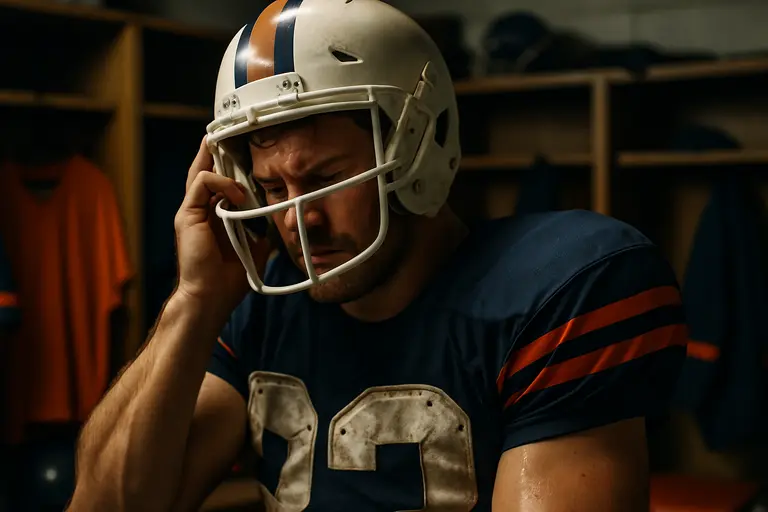
The FIU opener raises the urgency. A first game can reward the quarterback who communicates fastest, avoids wasted plays and handles the first unexpected defensive adjustment. USF does not need the full season identity to be complete by kickoff, but it does need a starting plan that lets the offensive line, backs and receivers play with confidence.
Game-One Job Description
The starter’s first job is operational. Get the call. Set the formation. Confirm the protection. Identify leverage. Deliver the ball or protect it. That job description can sound plain, but it is often what separates a productive opening drive from a three-and-out. Van Buren may give USF more answers when structure breaks. Kromenhoek may give USF a clearer pocket rhythm if the structure holds.
The staff also has to decide how much of the offense it wants to show in Week 1. If Van Buren starts, the call sheet can include more quarterback movement and read elements. If Kromenhoek starts, the plan may lean more on timing, play-action and defined half-field throws. Either path can work if USF keeps the quarterback out of predictable passing downs.
Why The Backup Role Still Matters
A USF Quarterback Battle can narrow before kickoff without becoming irrelevant after kickoff. The backup has to be ready because a new system often needs more than one skill set across a season. A mobile changeup can matter in short-yardage or red-zone packages. A pocket passer can steady a game if the offense needs rhythm and distribution. Naming a starter does not end development for the other quarterback.
This is where the fairness of the evaluation matters. Van Buren should not be reduced to a runner because his official production includes a meaningful passing sample. Kromenhoek should not be boxed in as only a stationary passer because arm strength and size can support aggressive designs. The better question is which player processes the new offense faster and applies his strengths without giving the ball away.
What The USF Quarterback Battle Means For Kickoff
For Florida readers, the USF Quarterback Battle is a player-performance story with real game-day effects. The choice will shape how USF attacks FIU, how the Bulls handle pressure and how quickly the offense can move from preseason competition to weekly execution. Van Buren brings experience, movement ability and proven production across 17 college games. Kromenhoek brings a pocket-passing profile, arm strength and a different path to structure.
The most practical answer may come from consistency, not flash. If Van Buren limits turnovers while keeping his off-script value, he gives USF a hard-to-defend opener plan. If Kromenhoek wins the timing and command pieces, he can make the offense cleaner from the first series. Either way, USF’s quarterback decision should be judged by drive quality, ball security and fit with Beck’s early call sheet, not by one spring throw or one camp highlight.