
Miami’s 2026 offseason does not feel like a tune-up. It feels like a full system reboot.
The Dolphins are entering a new era under head coach Jeff Hafley and general manager Jon-Eric Sullivan, with Malik Willis now positioned as the quarterback at the center of a reshaped offense. The roster no longer carries the same identity built around Tua Tagovailoa, Tyreek Hill, Jaylen Waddle, Bradley Chubb and other familiar names. That matters for fans, but it matters even more for offshore bettors trying to read Miami’s upside before the market fully settles.
This is where the Dolphins become fascinating. They are not simply “better” or “worse” on paper. They are different. And different teams are usually where early betting markets can overreact, underprice uncertainty, or miss the small clues that show up before Week 1.
Miami’s Reset Starts With A New Betting Profile
The most important thing about Miami’s 2026 reset is that the old reference points are gone. Bettors can no longer lean too heavily on what the Dolphins were under Mike McDaniel, Tua Tagovailoa and the Hill-Waddle speed structure. The offense is being rebuilt around Willis, Bobby Slowik’s approach, and a new leadership group that appears less tied to explosive familiarity and more tied to adaptability.
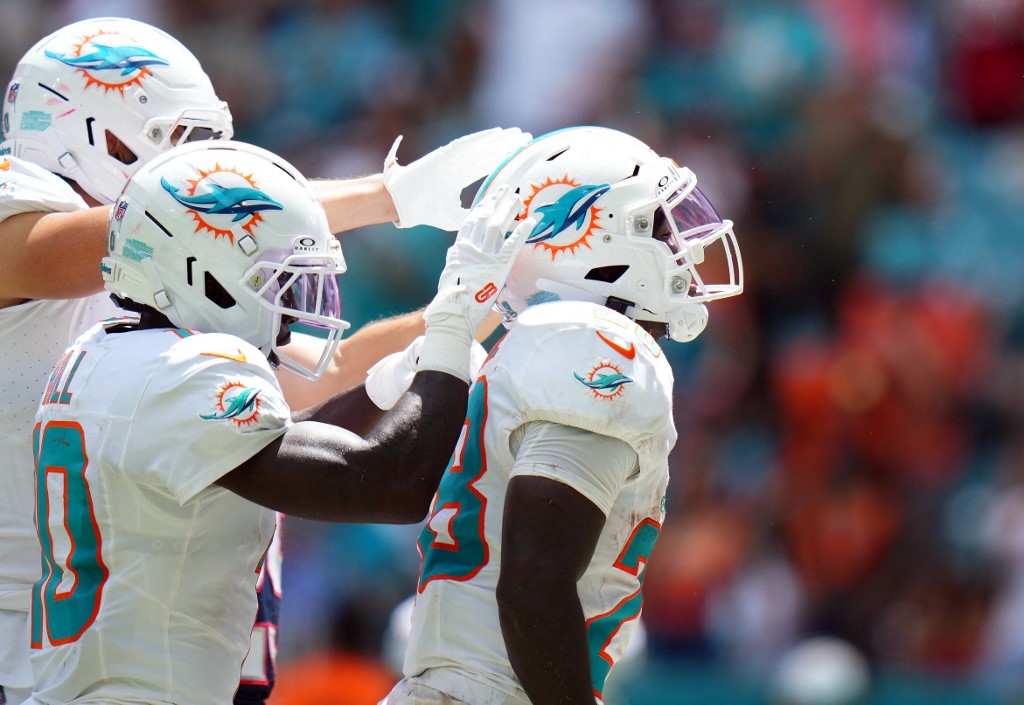
That changes how offshore bettors should read the Dolphins. A team with a new quarterback, new coaching direction and major roster turnover is rarely easy to price in June. It can look unstable from a distance, but that same instability can create market windows if the public focuses only on departed stars instead of what the new structure is trying to become.
For Florida football fans who track statewide team movement, this fits naturally beside broader Florida football team news because the Dolphins’ reset is another example of how roster construction, leadership changes and depth-chart pressure can reshape expectations before the games actually begin.
Malik Willis Makes Miami Harder To Price
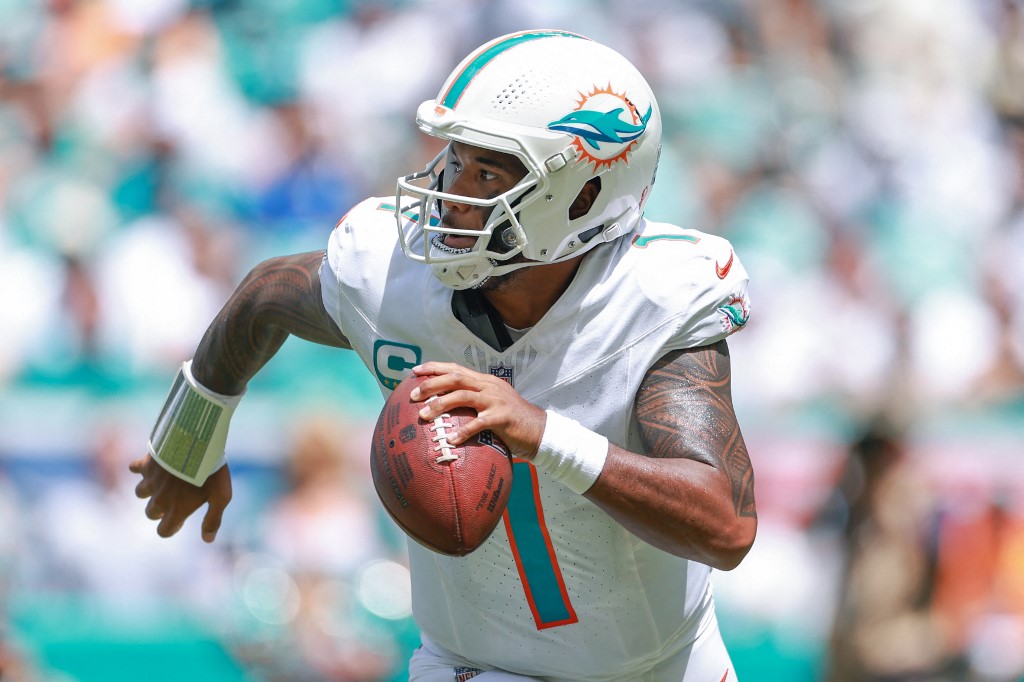
Willis is the hinge point. The Dolphins signed him to a three-year, $67.5 million deal, according to NFL reporting, and his presence immediately changes Miami’s offensive math. He is not a plug-and-play version of the previous Dolphins quarterback model. He brings mobility, arm strength and off-script potential, but also a different kind of week-to-week volatility.
That is exactly why offshore bettors will have to be careful with early futures, win totals and weekly matchup numbers. Willis can raise Miami’s ceiling if the run game, play-action concepts and offensive line protection stabilize quickly. But he can also make the Dolphins more matchup-dependent, especially against defenses that force long passing downs and disguise pressure.
The smartest read is not whether Willis is “the answer” by June. It is whether Miami is building an offense that makes his strengths easier to repeat. If the Dolphins can create manageable third downs, move the launch point and keep defenses honest with De’Von Achane and Jaylen Wright, Willis becomes more than a headline transaction. He becomes the reason Miami’s market profile could shift fast.
The Roster Reset Has More Than One Moving Part
Miami’s reset is not only about quarterback change. The Dolphins have new young pieces, developing veterans and position groups that offshore bettors should watch closely through training camp.
| Dolphins 2026 Signal | Why It Matters For Bettors |
|---|---|
| Malik Willis leading the offense | Changes Miami’s rushing threat, passing rhythm and weekly variance |
| De’Von Achane rehabbing shoulder surgery | Affects explosive-play potential and early-season offensive balance |
| Chop Robinson adding weight | Could signal a larger every-down role in the pass rush |
| Aaron Brewer’s contract situation | Important for interior stability and offensive line continuity |
| Kadyn Proctor and Chris Johnson signing rookie deals | Gives Miami two first-round pieces who may impact the lineup quickly |
Achane’s health is especially important. Miami’s offense needs speed, but it also needs reliable efficiency. If Achane is limited early or the staff manages him carefully, offshore markets may need to adjust how they view Miami’s scoring floor. If he is fully ready, the Dolphins suddenly have a backfield that can reduce pressure on Willis while still creating explosive plays.
On defense, Robinson’s development could become one of the quietest betting variables on the roster. Miami lost veteran pass-rush identity, and Hafley’s defensive background makes edge discipline a major storyline. If Robinson becomes stronger against the run while keeping his burst, Miami’s defense has a path to being more functional than public perception suggests.
Why Offshore Bettors Should Watch Camp Reports Carefully
This is the kind of roster where camp reports matter more than usual. Not because every highlight clip should move a number, but because Miami has so many unknowns tied to role definition.

A normal veteran team can absorb vague minicamp buzz. Miami cannot. Every report about Willis’ timing, Achane’s workload, Brewer’s leadership, Robinson’s physical development or rookie first-team reps helps sharpen the betting picture. Offshore bettors who follow the best online casino trends, often look for these small early signals before futures markets fully adjust.
That does not mean chasing every rumor. It means separating noise from information. A receiver making one spectacular catch in June is fun. A quarterback consistently winning red-zone periods, a rookie lineman holding first-team reps, or a pass rusher being asked to play more complete downs is more useful.
Miami’s reset creates a scouting problem for bettors. The public will remember the names that left. Sharper bettors will track whether the new names are forming a playable identity.
The Dolphins’ Upside Depends On Stability, Not Star Power
The Dolphins still play in a demanding AFC environment, so the upside case is not built on blind optimism. It is built on whether Miami can become less fragile than it looked during the end of the previous cycle.
That means the offensive line must hold up. Willis must avoid turning every third down into a survival drill. Achane must give the offense speed without forcing the playbook to depend on home runs. Robinson, Zach Sieler, Jordyn Brooks and the defensive front must give Hafley enough resistance to keep games inside reach.
The market may initially treat Miami like a team in transition. That is fair. But transition teams can still be dangerous when the new structure creates different problems than opponents expect. If Miami becomes more physical, more balanced and less predictable, its 2026 upside could land above the first wave of offseason assumptions.
The Read For Florida Fans And Bettors
Miami’s 2026 roster reset should not be judged only by the names missing from last year’s depth chart. It should be judged by whether the Dolphins are building a more sustainable weekly formula.
For offshore bettors, that means patience. The Dolphins are not a clean futures play just because new leadership brings fresh energy. They are also not an automatic fade just because the roster lost star power. The better approach is to watch the signals that reveal identity: Willis’ command, Achane’s health, Brewer’s line control, Robinson’s expanded role and how Hafley’s defense handles pressure.
Miami is no longer the same team the market spent years pricing. That makes the Dolphins risky. It also makes them interesting.