

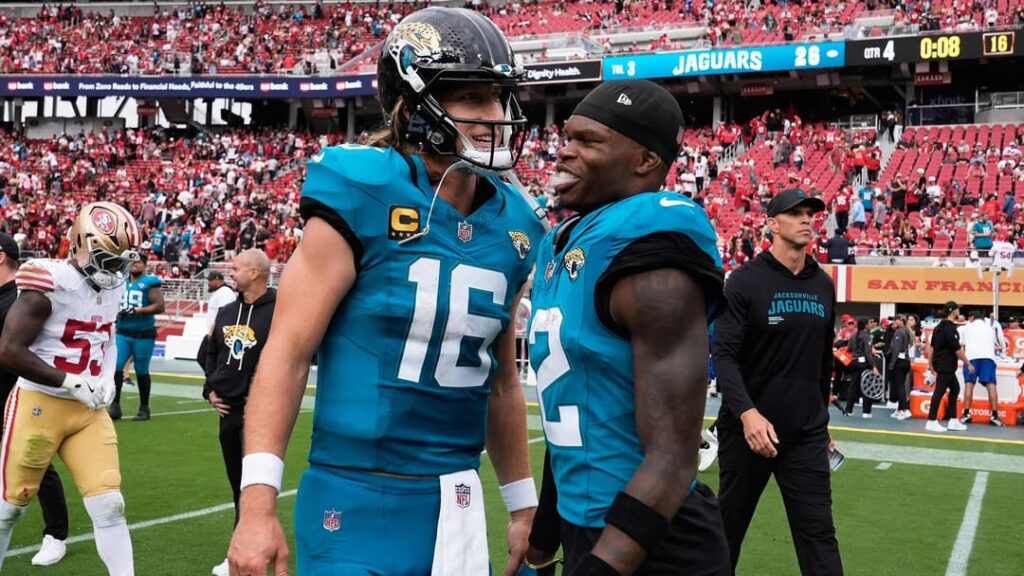
Jacksonville’s 2026 training camp gives Florida football fans a clear late-summer measuring point before the regular season begins. With rookies reporting on July 25, veterans arriving on July 28, and preseason work lined up against the New Orleans Saints, Carolina Panthers, and Tampa Bay Buccaneers, the Jaguars have a camp structure that should test more than conditioning. It gives head coach Liam Coen and his staff a sequence of controlled practices, opponent work, travel, home-game operations, and roster decisions before September football starts counting.
That matters in Jacksonville because training camp is where offseason plans become football evidence. The Jaguars can talk through offensive timing, defensive communication, rookie development, and special teams roles in meetings, but August forces those ideas onto the field. For Florida-football.com readers, this is not only an NFL camp story. It is a Florida football calendar story, connecting player development, stadium readiness, state rivalries, fan planning, and roster competition inside one compressed summer window.
Why Jacksonville’s Camp Calendar Creates A Real Football Checkpoint
The Jaguars’ timeline gives the team a useful ramp into August. Rookies reporting first on July 25 gives new players a short but valuable window to adjust to meeting pace, installation language, practice tempo, and the physical rhythm of an NFL facility. Veterans reporting July 28 then shifts camp into full-team work, where returning starters, free-agent additions, draft picks, and roster hopefuls begin competing inside the same structure.
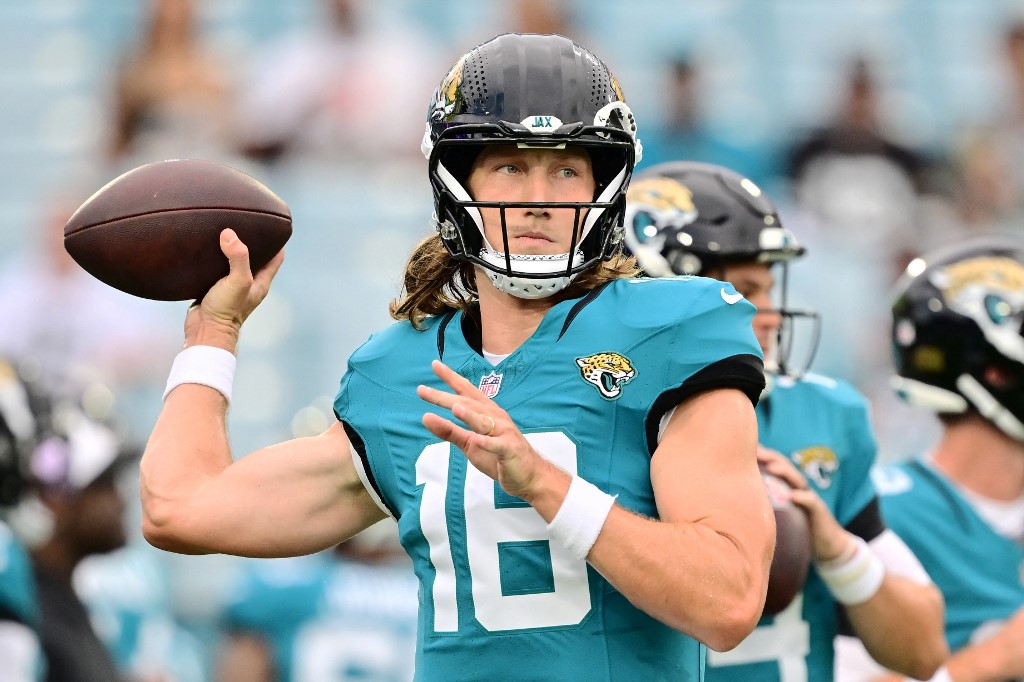
That progression matters because Jacksonville’s preseason is not built around one isolated exhibition game. The Jaguars are scheduled to open preseason play at New Orleans on Aug. 15, then return home to face Carolina on Aug. 21 and Tampa Bay on Aug. 28. The team’s official preseason structure gives fans a clear look at how the August evaluation window is arranged.
The schedule becomes more useful because of the joint-practice layer. Recent reporting notes that Jacksonville is expected to work against all three preseason opponents in practice settings, with the Saints, Panthers, and Buccaneers each providing a different test before or around game week. That structure gives the Jaguars more than standard preseason snaps. It gives the coaching staff scripted competition against outside personnel.
For a team trying to sharpen before Week 1, that is valuable. Joint practices can create repeated red-zone periods, third-down work, pass-rush matchups, two-minute situations, and special teams looks that might not naturally appear often enough during a preseason game. Jacksonville can use those sessions to test whether the details from camp are translating against opponents who do not know the calls, habits, and weaknesses as well as teammates do.
How Joint Practices Change The Value Of August Reps
Preseason football is often judged by drives, box scores, and highlight plays. Coaches usually look at something narrower. They want to know whether a player lined up correctly, handled the adjustment, communicated before the snap, executed the assignment, and repeated that level of detail across multiple periods. That is where joint practices can become more valuable than a single preseason quarter.
Against New Orleans, Jacksonville gets an early road test. That matters because the first preseason week often exposes operation issues before talent issues. Substitutions, cadence, communication, travel rhythm, sideline flow, and young-player nerves can all show up before the deeper roster evaluation begins. A clean week against the Saints would give the Jaguars a stronger base before returning to Jacksonville.
The Carolina week should offer a different type of look. The Panthers visit EverBank Stadium on Aug. 21, giving Jacksonville a home evaluation window against another NFL roster in a setting that should feel closer to a regular football operation. For young Jaguars trying to make the roster, this is the kind of week that can separate a camp flash from a dependable role.
The Tampa Bay week adds a Florida layer. A Jaguars-Buccaneers preseason finale on Aug. 28 will not carry regular-season stakes, but it still gives fans a regional measuring point. Tampa Bay brings an in-state opponent to Jacksonville, and that naturally adds more attention for Florida football readers who track the state’s three NFL markets. It also arrives late enough in camp that roster decisions, special teams spots, and backup roles should be much closer to final form.
That sequence gives Jacksonville three different tests: a road opener, a home preseason setup against Carolina, and an in-state finish against Tampa Bay. The games matter, but the work around them may matter just as much.
Why EverBank Stadium Is Part Of The Late-Summer Test
The Jaguars’ two home preseason games put EverBank Stadium into the story before the regular season begins. Stadiums do not wait until September to test operations. Preseason gives teams, venue staff, security, concessions, broadcast crews, parking teams, and fans a chance to rehearse the rhythm of game day before larger regular-season crowds arrive.
That is especially relevant in Jacksonville because late-August football creates practical challenges. Heat, arrival timing, parking flow, hydration planning, concession demand, and gate movement all become part of the experience. A preseason game may not carry the intensity of an AFC South matchup, but it still gives the organization data on how fans move through the building, how staff handle timing, and where small issues may need correction.
The Panthers game on Aug. 21 and Buccaneers game on Aug. 28 also give local fans two home checkpoints. For families, youth coaches, high school players, and regional football fans, those dates can become early access points into the season. They offer a chance to see roster competition up close before the regular-season ticket market, national broadcasts, and weekly stakes change the tone.
The local development angle also fits Jacksonville. Florida football is not only built on Saturdays and Sundays. It runs through high school programs, summer training, college camps, private development facilities, and NFL preseason fields. The Jaguars’ camp sits near the top of that structure, but it still reflects the same football calendar that shapes Florida player development across the state.
For local businesses, preseason home games can also serve as a soft opening for football season. Restaurants, hotels, transportation services, and event staff can read traffic patterns before regular-season weekends apply more pressure. That may not decide wins and losses, but it helps explain why training camp is also a city operations story.
What Coaches And Fans Should Watch Before Roster Cuts
The Jaguars’ camp schedule should help clarify several roster questions, but fans should be careful about overvaluing single plays. A deep completion in practice can create buzz. A missed throw can look worse than it is. A preseason touchdown can hide assignment mistakes. The more useful camp read comes from repeated performance across different settings.
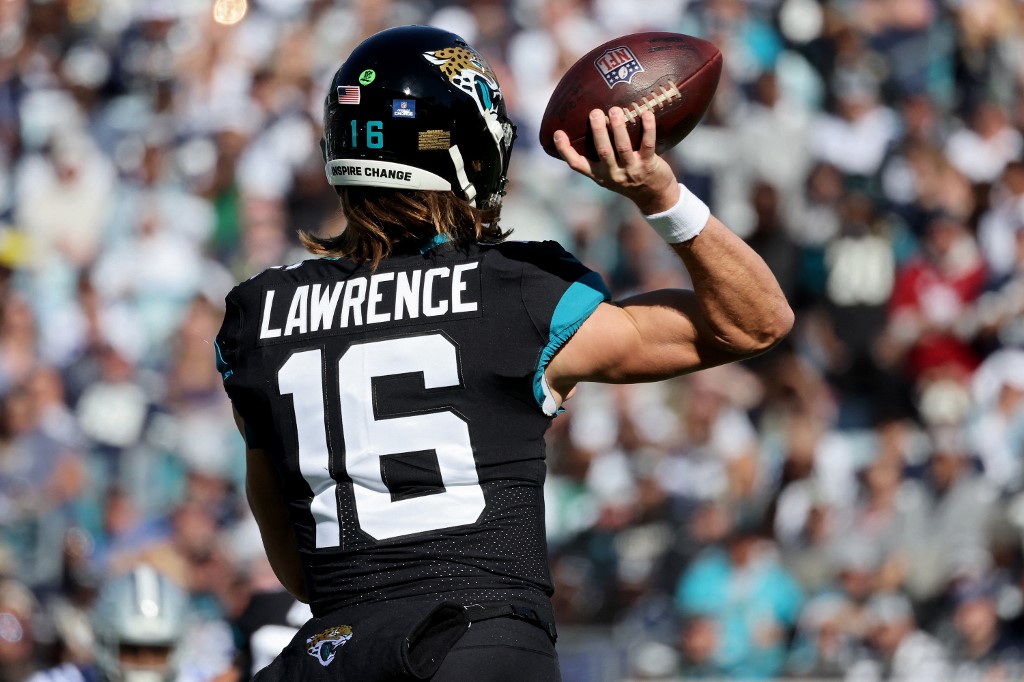
For the offense, timing will be one of the biggest indicators. Does the quarterback room look comfortable with route spacing? Are receivers getting aligned correctly before motion? Does the offensive line pass off pressure looks? Are backs reliable in protection and checkdown spacing? Those details become clearer when the same concepts are tested against the Saints, Panthers, and Buccaneers instead of only against Jacksonville’s own defense.
Defensively, communication matters just as much as physical ability. Camp should show whether linebackers are getting the front set, whether defensive backs are passing off routes cleanly, and whether younger players can stay disciplined against shifts, tempo, and unfamiliar personnel. Joint practices can expose those issues faster because opponents are not following the same internal rhythm.
Special teams may decide the back end of the roster. Coverage ability, return judgment, blocking discipline, and tackling reliability often determine which final receivers, linebackers, defensive backs, and running backs survive cutdown decisions. A player who is only the fifth option at his offensive or defensive position may still make the roster if he gives the Jaguars dependable work in the kicking game.
The three-game preseason slate gives coaches enough variation to compare players. New Orleans tests the road operation. Carolina gives Jacksonville a home middle point. Tampa Bay arrives late enough to sharpen final decisions. By the end of the Buccaneers week, the staff should have a better feel for which players can help immediately and which ones still need development time.
| Camp Checkpoint | Date | Football Value |
|---|---|---|
| Rookies Report | July 25 | Early installation and first-year player adjustment |
| Veterans Report | July 28 | Full-team camp structure begins |
| Preseason At Saints | Aug. 15 | Road operation and early depth evaluation |
| Preseason Vs. Panthers | Aug. 21 | Home rehearsal and middle-camp roster test |
| Preseason Vs. Buccaneers | Aug. 28 | In-state matchup and final roster-shaping window |
Why The Tampa Bay Finale Carries Extra Florida Interest
The Buccaneers game gives the Jaguars’ preseason a stronger local finish than a random out-of-state matchup would. Jacksonville and Tampa Bay do not need to be regular-season rivals for the game to matter to Florida fans. The matchup brings two NFL rosters from the same state into one late-August evaluation point, and that is enough to make it useful for regional football coverage.
For Jacksonville, the timing is the key. By Aug. 28, the team should have already seen rookies through more than a month of reporting, veterans through full-team camp, and two preseason opponents through game settings. That makes the Buccaneers week less about introduction and more about confirmation.
If a young receiver has stacked strong practices, the Tampa Bay game may show whether that progress holds in live action. If a reserve lineman has been inconsistent, the finale may give the staff one more meaningful test. If a defensive back is fighting for a role, special teams snaps and late-game coverage work could matter as much as any defensive series.
The regional attention around Jaguars-Buccaneers week will also extend beyond local beat coverage, since national football discussion often follows preseason depth battles, quarterback timing, and roster movement through places such as NFL football forum discussions. For Jacksonville, that wider conversation should still begin with the football itself: which players are earning roles, how the staff is sequencing reps, and whether the team looks more organized by the final preseason checkpoint.
For fans, this game can help frame the difference between camp optimism and roster reality. Every summer produces breakout names. The question is which players keep earning reps as the opponent quality changes and the roster tightens. A strong late-camp performance against Tampa Bay can carry more weight than an early camp flash because the decision window is nearly closed.
Why This Schedule Matters Before September
The Jaguars’ 2026 training camp schedule gives Jacksonville a structured path from installation to evaluation. Rookies report first. Veterans follow. Joint-practice work adds outside pressure. Preseason games against the Saints, Panthers, and Buccaneers give the staff three different football environments before the regular season begins.
That is why this camp should be treated as more than a countdown to Week 1. It is a test of how well Jacksonville can organize a roster, protect key players, develop young talent, prepare for game-day operations, and make disciplined decisions before the season turns urgent.
For Florida football fans, the schedule offers a practical way to read August. The goal is not to overreact to one practice clip or one preseason drive. The better question is whether the Jaguars look cleaner as the month progresses. If the operation sharpens from New Orleans to Carolina and from Carolina to Tampa Bay, that would suggest camp is serving its purpose.
Jacksonville’s late-summer football test will not show everything about the 2026 Jaguars. It should show enough to reveal whether the team is building the habits, depth, and timing needed before September. That makes this training camp one of the most useful Florida football storylines to watch before the real standings begin.