

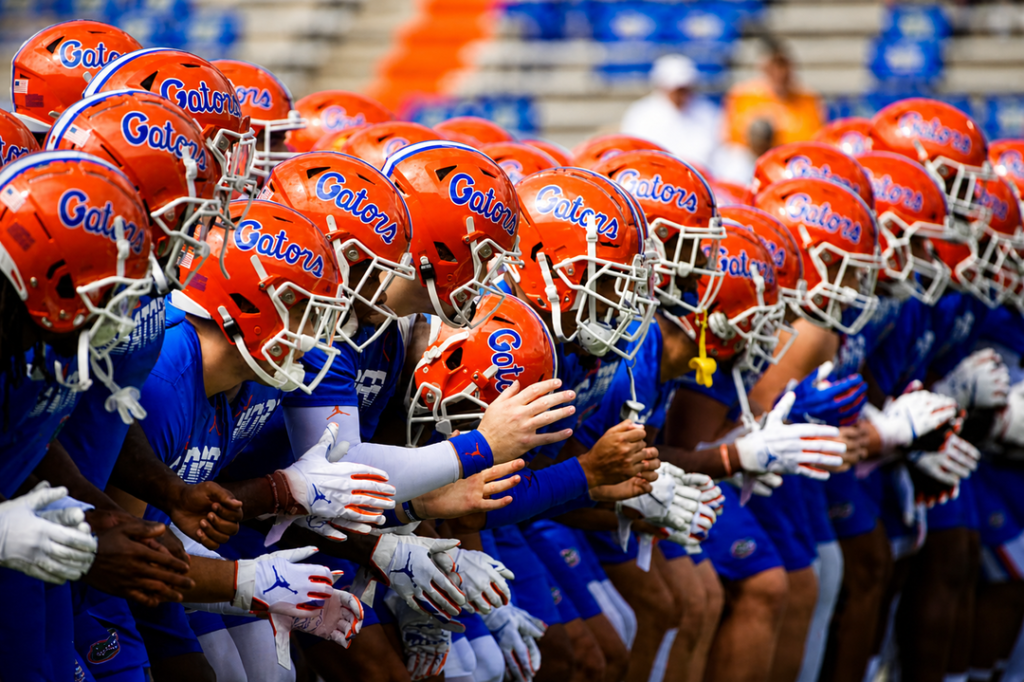
The Florida Gators Football Schedule 2026 matters because it gives Florida very little room to ease into the year. With a nine-game SEC slate, a neutral-site Georgia game in Atlanta, and a rivalry finale in Tallahassee, this schedule demands discipline before it rewards ambition.
What stands out to me is not only the opponent list, but the order. September offers rhythm, October brings the season’s hardest climb, and November turns every week into a test of resilience and identity.
Why The Florida Gators Football Schedule 2026 Feels Different
The first thing I notice is the structure. Florida opens with two home games, then immediately goes to Auburn before hosting Ole Miss. That is a short runway before conference football begins, and it places real pressure on the Gators to handle the basics with purpose.
The nine-game SEC format changes the schedule’s meaning. One extra league game affects travel, depth, recovery, and bowl positioning. It also reduces the number of comfortable weeks. In this format, margin becomes harder to find.
That is why the sequence matters. Auburn arrives early. Texas comes before the open week. Georgia sits in Atlanta on Halloween. Oklahoma follows one week later in Gainesville. Those are not isolated games; they are connected tests of preparation, roster depth, and game-day judgment.
For readers tracking kickoff updates as they develop, the official Florida Gators Football Schedule 2026 remains the cleanest live reference. The larger point is already clear: Florida’s calendar is built to expose whether the program can turn promising stretches into a complete season.
Full 2026 Florida Gators Football Schedule
A table helps because placement matters as much as opponent quality. Florida gets six home games, five road games, and one neutral-site rivalry game, creating a balanced but demanding path.
| Date | Opponent | Site | Why It Matters |
|---|---|---|---|
| Sept. 5 | Florida Atlantic | Gainesville | Season opener and first chance to establish tempo |
| Sept. 12 | Campbell | Gainesville | Final tune-up before SEC play |
| Sept. 19 | Auburn | Auburn, Ala. | First SEC road test |
| Sept. 26 | Ole Miss | Gainesville | First SEC home game |
| Oct. 3 | Missouri | Columbia, Mo. | Road challenge after Ole Miss |
| Oct. 10 | South Carolina | Gainesville | Home game with momentum implications |
| Oct. 17 | Texas | Austin, Texas | Major road spotlight before the open week |
| Oct. 31 | Georgia | Atlanta | Neutral-site rivalry with national attention |
| Nov. 7 | Oklahoma | Gainesville | High-profile SEC home matchup |
| Nov. 14 | Kentucky | Lexington, Ky. | Physical late-season road test |
| Nov. 21 | Vanderbilt | Gainesville | Final home game |
| Nov. 27 | Florida State | Tallahassee, Fla. | Regular-season rivalry finale |
The table shows the real issue: Florida’s friendliest stretch comes first. That creates a strategic choice and a test of urgency. The Gators can use September to build confidence, but they cannot treat those games as casual warmups. By Week 3, the schedule becomes a conference examination.
September Is About Establishing Control
Florida Atlantic and Campbell give Florida two home games to begin the season. They are where Florida must settle offensive timing, defensive communication, special teams roles, and substitution patterns before the SEC schedule creates stress.
I look at the opener against Florida Atlantic as a test of execution. Does Florida start fast? Does the offense avoid wasted possessions? Does the defense tackle cleanly? Those details often reveal the seriousness of a team’s preparation.
Campbell presents a different kind of test. Because it comes one week before Auburn, Florida must balance development with protection. Younger players need meaningful snaps, starters need continuity, and coaches may want to test packages for later use. The risk is not only losing focus; it is missing a chance to create clarity.
Then the season shifts at Auburn. A road game there is rarely ordinary. The venue, the crowd, and the early SEC stakes will test Florida’s maturity. If the Gators handle the first two weeks with control and then compete cleanly at Auburn, September can become a foundation rather than a warning sign.
Ole Miss closes the month in Gainesville, and that game may tell us more about Florida’s ceiling than the first two games combined. The first SEC home game often carries a distinct atmosphere. If Florida has momentum, The Swamp can amplify it. If the Gators are uneven, Ole Miss can expose the gap between potential and consistency.
October Creates The Season’s Hardest Climb
October is the most revealing part of the schedule. Florida goes to Missouri, hosts South Carolina, travels to Texas, takes an open week, then meets Georgia in Atlanta. That stretch includes travel, physicality, tactical variety, and rivalry pressure. It is the month that can create momentum or drain energy.
Missouri is the type of road game that can become more difficult than casual fans expect. Crowd rhythm, travel, and cumulative fatigue can distort a matchup. Florida will need poise there, especially if Ole Miss becomes physically or emotionally demanding.
South Carolina at home gives Florida a chance to stabilize the middle of the schedule. That does not make it easy. Games in this slot often decide whether a team keeps control of its season or starts chasing. A clean home performance would provide confidence before one of the biggest road trips of the year.
The trip to Texas is one of the obvious headline games. Austin brings a larger stage, and the matchup comes just before the open week. That creates a coaching calculation: Florida has to invest enough of the plan to win a major road game without losing sight of the larger season. The best teams manage that balance with judgment.
The conference structure gives extra meaning to the 2026 SEC football schedule, because programs now have to navigate deeper league calendars with fewer places to hide. For Florida, Texas is the clearest example. It is not just a marquee opponent; it is a road test inside a larger endurance contest.
The open week before Georgia is valuable, but only if Florida has managed the previous stretch well. Rest helps, but it cannot erase poor habits. If the Gators enter the bye with defensive leakage, protection issues, or penalty problems, Georgia becomes heavier. If they enter with focus, the bye becomes a sharpening tool.
Georgia In Atlanta Changes The Rivalry Texture

The Florida-Georgia game always carries its own emotional language. In 2026, the move to Atlanta changes the setting without reducing the stakes. The rivalry remains a measuring stick for fan confidence, SEC positioning, and the broader perception of Florida’s place in the league.
Playing in Atlanta is not the same as the traditional Jacksonville rhythm. The travel pattern, crowd mix, and environment will feel different. Rivalry games are built from routine as much as history. When the routine changes, the team that adjusts faster often gains a subtle edge.
From a football perspective, Georgia is the kind of opponent that punishes small mistakes. Missed run fits, protection errors, poor red-zone decisions, and unnecessary penalties become larger under rivalry pressure. Florida does not have to be perfect, but it needs a plan rooted in precision.
The timing raises the stakes. Coming after Texas and the open week, Georgia becomes the dividing line between the middle and final third of the season. A win could transform the conversation around the program. A loss would not end the year, but it would increase urgency before Oklahoma arrives.
That is why I view Georgia as more than a rivalry date. It is a diagnostic game. It reveals whether Florida’s physical profile, staff adjustments, and game management are strong enough for the upper tier of the league. In this schedule, Georgia may be the clearest signal.
Oklahoma Brings A New SEC Home Test
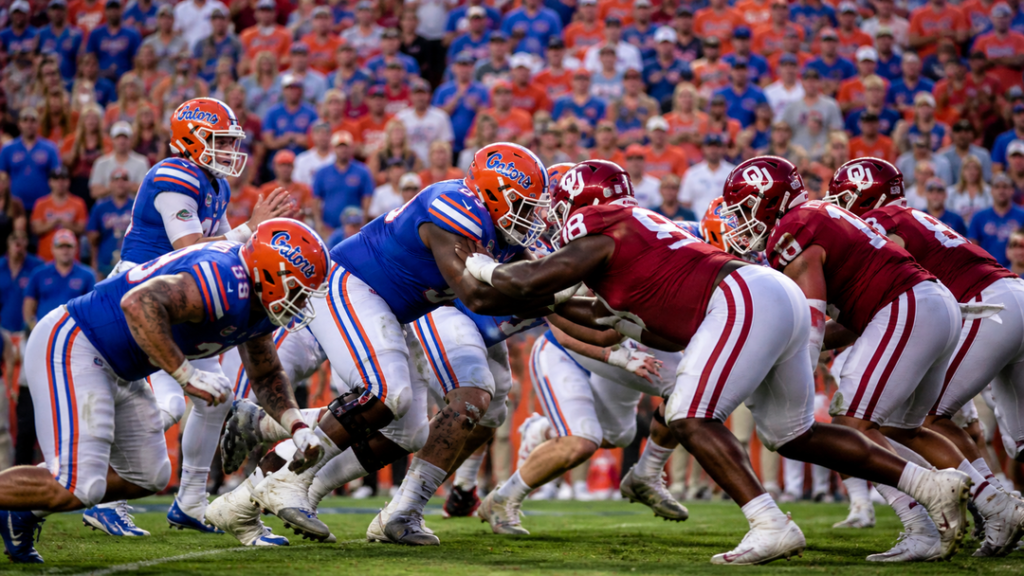
The Oklahoma game is one of the most intriguing dates because it reflects the SEC’s changed identity. Florida hosting Oklahoma in Gainesville as a conference opponent gives the matchup a fresh quality. It reminds everyone that the league’s footprint has expanded, and every contender must survive a more nationalized map.
The placement is severe. Florida plays Georgia on Oct. 31, then returns home for Oklahoma on Nov. 7. There is very little emotional decompression time. The staff must reset the locker room quickly, whether the Georgia result creates celebration or frustration. That reset will require leadership.
Oklahoma’s presence also tests adaptability. Florida may have to prepare for a different pace, different passing-game stress, and a different trench profile than it saw the previous week. The Gators cannot become predictable. They will need tactical flexibility.
For Florida fans, this is exactly the kind of home game that should make The Swamp feel nationally relevant. Big games in Gainesville are about more than noise. They create an expectation of authority. If Florida wants 2026 to become a statement season, Oklahoma is one of the places where that statement must be made.
This is also where broader Gators football headlines can help frame the week-to-week implications beyond the schedule itself. A matchup like Oklahoma will be judged by injuries, preparation, in-game choices, and what it reveals about Florida’s direction.
Kentucky, Vanderbilt And Florida State Shape The Closing Argument
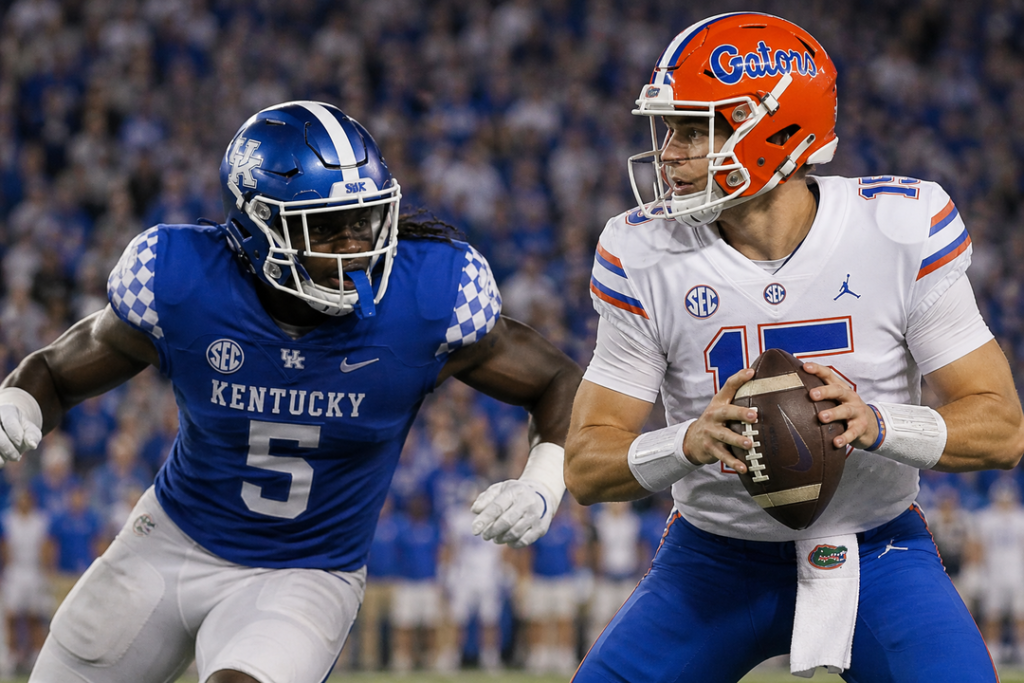
After Georgia and Oklahoma, the trip to Kentucky may look less glamorous. That would be a mistake. Late-season road games against physical conference opponents often decide whether a team finishes with strength or merely survives. Lexington has a way of turning November football into a grind.
Kentucky matters because of timing. Florida will likely be coming off two emotionally charged games. By mid-November, players are managing fatigue and depth charts are less pristine. Mistakes become more costly because there is less time to repair the season’s narrative.
This is where roster depth and staff discipline show up. Can Florida run the ball when it needs control? Can the defense get off the field on third down? Can special teams avoid the error that flips field position? Those questions often decide quality seasons.
Vanderbilt on Nov. 21 carries a different kind of meaning. It is the final home game, and that gives it emotional weight. Senior-week settings can be powerful, but they can also distract. Florida’s job will be to honor the moment without losing structure.
Then comes Florida State in Tallahassee on Nov. 27. Rivalry finales carry consequences beyond the standings. They affect recruiting talk, fan perception, offseason tone, and the way the entire season is packaged. A strong finish against Florida State can create belief that lasts into winter.
The Friday placement changes the cadence. A shorter holiday-week rhythm can affect preparation, travel, and recovery. Rivalry games are often driven by emotion, but they are prepared through accountability.
The Biggest Opportunities On The Schedule
Florida’s first major opportunity comes at Auburn. Winning an early SEC road game would immediately change the tone of the season and give the Gators credibility before Ole Miss.
Texas is the next obvious chance. A road win in Austin would travel nationally because of the opponent, the location, and the timing before the open week. It would prove that Florida can win outside Gainesville in a high-stakes environment.
Georgia is the obvious opportunity, but it should be framed carefully. Rivalry wins are powerful, yet they become more valuable when they fit into a larger season arc. Beating Georgia in Atlanta would create enormous impact, but the value would multiply if Florida handles the games around it.
Oklahoma offers another statement window. A home win over a high-profile SEC opponent after Georgia would show that Florida can reset quickly and avoid emotional volatility. The best programs are not defined by one peak. They are defined by a sustained standard.
Florida State gives the Gators a closing-stage opportunity. Rivalry finales can polish a strong season or rescue an uneven one. Florida does not want to rely on Tallahassee to redeem the year, but the game will shape the final tone.
The Risks Florida Must Manage
The biggest risk is accumulation. The schedule stacks enough physical and emotional stress that Florida has to manage the season like a long campaign, not a weekly sprint. That requires practice efficiency, rotation planning, and honest internal evaluation.
Travel is part of the issue. Auburn, Missouri, Texas, Kentucky, and Florida State all require road preparation. Georgia in Atlanta adds a neutral-site logistics layer. None of those trips alone is overwhelming. Together, they create a steady cost.
The second risk is emotional volatility. Georgia and Oklahoma in back-to-back weeks could create the most intense two-game sequence on the schedule. If Florida wins the first, it must avoid satisfaction. If it loses the first, it must avoid deflation. Either path requires balance.
The third risk is overlooking the middle of the slate. Missouri, South Carolina, Kentucky, and Vanderbilt may not all carry the same national visibility, but they can shape the standings sharply. A team with major ambitions cannot treat any SEC week as background.
The final risk is offensive inconsistency. In a schedule with this many high-leverage games, empty possessions are expensive. Florida must be able to win in different ways: fast, slow, defensive, explosive, ugly, and controlled. Versatility is not a luxury. It is necessity.
What Fans Should Watch Next
Kickoff times and television designations will change the feel of several games. A night game in Gainesville is different from a noon start. The opponent order is set, but broadcast windows will add another layer of context.
Final Perspective On Florida’s 2026 Road Ahead
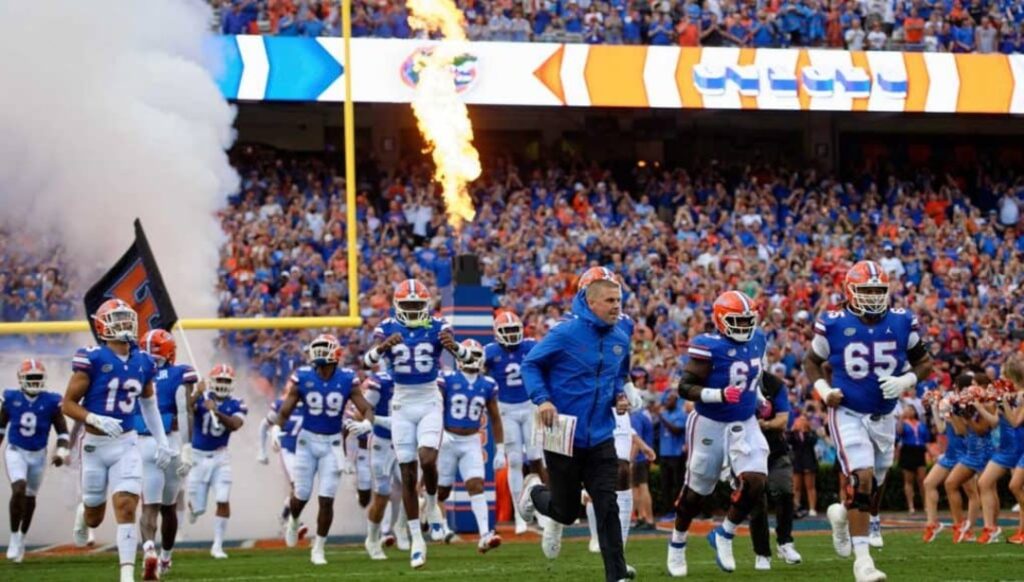
The Florida Gators Football Schedule 2026 is demanding because it combines tradition with transition. The familiar rivalries remain, but the nine-game SEC format, Texas and Oklahoma’s place in the league landscape, and Georgia’s Atlanta setting make the calendar feel more layered than a routine fall slate.
I do not read this schedule as impossible. I read it as revealing. Florida has early chances to build rhythm, midseason chances to prove toughness, and late-season chances to define the final story. The opportunity is real, but so is the risk.
What should readers think about next? Watch the sequence, not just the names. Auburn before Ole Miss matters. Texas before the open week matters. Georgia before Oklahoma matters. Kentucky after two marquee games matters. The schedule is a chain, and every link affects the next one.
If Florida turns this calendar into a strong season, it will not happen through one upset or one emotional rivalry win. It will happen through preparation, adaptability, and week-to-week discipline. That is why the Florida Gators Football Schedule 2026 deserves close attention now: it is not only a list of dates, but a blueprint for what the program must become.