


Swamp renovations are now a central Florida football story because the project is not just about concrete, suites or concourses. It is about how Ben Hill Griffin Stadium will function on Saturdays after the 2026 football season and into the planned 2030 completion window. For Gators fans, the key point is clear: Florida plans to keep playing home games at The Swamp while reshaping the building around the same loud, tight bowl that has defined the venue.
The University Athletic Association’s plan calls for a $1.45 billion overhaul of Ben Hill Griffin Stadium, with the project described as the most expensive stadium renovation in college football history. The plan also keeps capacity at approximately 88,548 seats while using premium additions and other changes to offset lower-bowl seat losses, according to The Washington Post. That balance explains the tone of the project: Florida wants a newer building without giving up the size and pressure that matter on SEC game days.
What Swamp Renovations Change For Fans
Swamp Renovations And Stadium Capacity
The capacity piece is the headline for many season-ticket holders. Florida’s plan keeps Ben Hill Griffin Stadium at roughly the same listed size, rather than using the project to shrink The Swamp into a smaller premium-first venue. That matters in Gainesville because crowd volume, student presence and the steep seating bowl all shape the home-field feel.
The project does not mean every seat experience will stay the same. The research points to lower-bowl structural changes, new premium seating and additions that offset seat reductions elsewhere. That suggests fans should expect seat maps, entry patterns and some familiar sections to change as work moves through phases. The available information does not provide a final section-by-section seating map, so any claim about specific seat relocations would be premature.
Preserving The Swamp’s Football Identity
Florida has said it plans to retain the stadium’s Orange Wing Walls, bowl design and arrangement that keeps fans close to the field, according to the school’s stadium renovation FAQ. That is the most important football-specific part of the design language. The Swamp’s edge has never been only capacity. It has been the combination of closeness, heat, noise and a field-level feel that can strain visiting offenses.
That preservation goal also helps explain why home games are expected to remain at Ben Hill Griffin Stadium during construction. The official plan calls for continuity, with some temporary closures or modified areas possible during certain phases. Traditions such as tailgating, the student section location and Gator Walk are expected to remain part of the game-day structure. For a program that uses Saturday atmosphere in recruiting, donor relations and fan retention, keeping those routines in place reduces the risk of a lost home-field period during a long build.
How The Project Changes Game-Day Movement
Concourses, Restrooms And Service Speed
The fan-facing changes are practical. The plan includes expanded concourses, wider circulation paths, improved food and beverage options, better restroom access, improved wayfinding, upgraded connectivity, enhanced concessions and faster service. Those changes address the parts of a game day that become most noticeable before kickoff, at halftime and after close fourth quarters when crowds move at the same time.
For older college stadiums, circulation is often the pressure point. A loud bowl can still feel outdated if fans spend too much time stuck in narrow paths or waiting in long concession lines. Florida’s project attempts to keep the traditional seating environment while improving the spaces behind it. That tradeoff is central to Swamp renovations: the football view stays tied to the old building’s identity, while the support spaces move closer to modern expectations.
Technology And Connectivity
Technology is another major fan-experience piece. The research notes plans for state-of-the-art video and audio systems, along with WiFi 7 deployment at Ben Hill Griffin Stadium as a shorter-term connectivity improvement. Better in-stadium connectivity can affect mobile ticketing, concessions, communication with family members and access to scores from other games during SEC Saturdays.
That does not mean the stadium becomes less football-centered. In a venue like The Swamp, technology works best when it supports the game rather than distracts from it. Video boards, audio systems and wireless upgrades will be judged by whether they help fans move, follow information and stay connected without softening the crowd environment Florida wants to keep.
Premium Seating And Stadium Revenue
Suites, Clubs And Social Areas
The premium side of the project is significant. Plans include renovating existing premium spaces and adding suites, club areas, loges, social terraces, three-story suite towers and premium structures above existing bowls. That shift follows a national college-football pattern, but Florida’s stated capacity plan keeps the project from becoming a simple downsizing effort.
Premium seating is not only a donor amenity. It affects the athletic department’s ability to generate annual stadium revenue, support facilities and keep pace in a conference where football infrastructure is part of the competitive environment. The research says the project is expected to nearly double annual stadium revenue, from about $75 million to roughly $145 million, largely because of premium seating, upgraded amenities and expanded revenue-producing spaces.
Why Revenue Matters To The Football Program
For the football operation, stadium revenue connects to the broader business side of the program. The renovation itself is not a roster move, a coaching hire or a recruiting commitment, but the building is part of the program’s pitch. Recruits see the stadium. Families experience the crowd. Donors and corporate partners use premium spaces. A stronger venue can support the ecosystem around the team without changing what happens between the lines.
There is also a fan-balance question. Florida has to grow high-end inventory while keeping the building accessible and loud. If the student section remains in its traditional role and the bowl design keeps fans close to the field, the project has a clearer chance to improve revenue without draining the stadium’s Saturday personality. That is why the seating and circulation details will matter as much as renderings.
Construction Timeline And Game-Day Continuity
Work After The 2026 Football Season
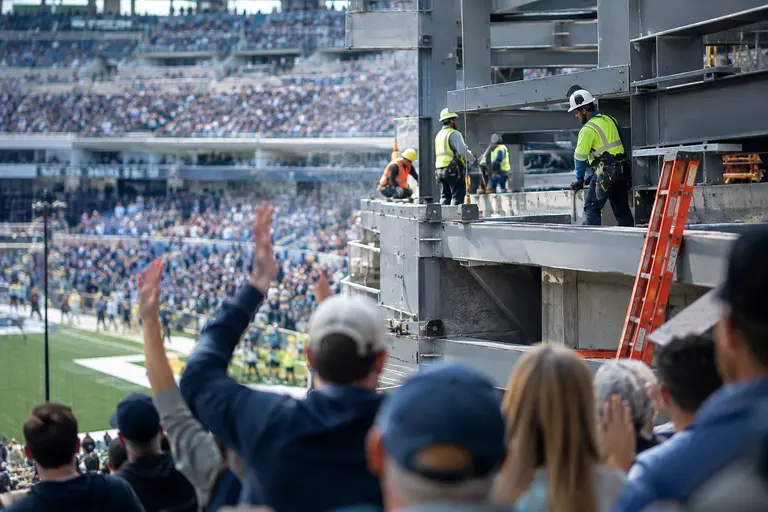
Construction is expected to begin after the 2026 football season and be completed before the 2030 football season. That timeline places the project across multiple offseasons and game years, which means fans should expect a phased process rather than a single clean shutdown. Florida’s public plan says home games will continue at The Swamp during construction, but some areas may be temporarily closed or modified depending on the phase.
That creates a planning issue for fans who build Saturdays around parking, tailgating routes, gate entry and postgame exits. The most useful guidance will come when Florida releases phase-specific information. Until then, the supported takeaway is that continuity is the plan, not that every path, gate or concourse will remain unchanged.
- Capacity: Planned to remain approximately 88,548 seats after the renovation.
- Cost: Listed at $1.45 billion for the full stadium overhaul.
- Timing: Expected to start after the 2026 football season and be completed before the 2030 football season.
- Game days: Home games are expected to continue at Ben Hill Griffin Stadium during construction.
- Traditions: Tailgating, Gator Walk and the student section location are expected to be preserved.
For readers tracking the phased schedule, this site’s prior stadium timeline breakdown fits the same core issue: how Florida manages construction while protecting the weekly rhythm of home football in Gainesville.
What Is Still Unclear
Several details remain limited in the available public information. The research does not provide final game-by-game construction impacts, exact temporary capacity changes by phase, confirmed gate changes or a final seat relocation plan. It also does not identify every premium product location in a way that would allow fans to assess specific sight lines.
That uncertainty matters because Swamp renovations will be felt most clearly in small game-day details: how quickly fans enter, how lines move at halftime, whether shaded or premium areas change crowd flow, and how construction zones affect familiar walking patterns. Florida’s challenge is to communicate those details early enough for season-ticket holders, students and visiting fans to plan around them.
Why Swamp Renovations Matter For Gator Game Days
The football impact of Swamp renovations is not measured only by new suites or bigger concourses. It is measured by whether Florida can modernize an aging stadium while keeping the parts that make Ben Hill Griffin Stadium different: a full building, a close bowl, a strong student presence and traditions that begin before kickoff.
The project’s scale makes it a major sports infrastructure story in Florida. The reported $1.45 billion cost, planned capacity retention and revenue expectations show how high the stakes are for the athletic department. The game-day plan shows why it matters to regular fans. Better circulation, restrooms, concessions, connectivity and accessibility can improve Saturdays without changing the venue’s identity if the execution matches the plan.
For now, the most grounded read is this: Florida is trying to rebuild around The Swamp rather than replace what makes it work. The next layer of information to watch will be official phase details, seating communication and construction-period game-day maps. Those specifics will show how the long project affects fans week to week between the end of the 2026 football season and the planned finish before the 2030 football season.