
The Gators Transfer Class has changed the shape of Florida’s 2026 roster before preseason camp, with 30 transfers joining a team that also retained more than 40 players from the previous roster, according to Sports Illustrated’s roster review. That combination matters as much as the raw number of additions. Florida is not only filling holes; it is blending a large transfer group with returners, a 20-player high school recruiting class and one junior college signee.
For head coach Jon Sumrall’s staff, the work now shifts from acquisition to fit. The roster has more options at quarterback, wide receiver, defensive line, offensive line and special teams. It also has more moving parts. The next step is sorting roles without losing continuity from the players who stayed in Gainesville.
How The Gators Transfer Class Resets Depth
Florida’s 30 incoming transfers touch several position groups, which makes this more than a one-position repair job. The structure of the 2026 team now depends on how fast those additions can take on assignments, build timing and compete with returning players who already know the program’s practice standards.
The retention piece is central. Keeping more than 40 players gives the staff a base of leadership and institutional knowledge. Adding 30 transfers gives the staff immediate competition and older roster options. The mix can help a team avoid being too young at key spots, but it also creates a shorter evaluation window for coaches before the season structure takes shape.
Transfers, Returners And New Signees
The roster build includes three streams: returning players, transfers and incoming recruits. Florida’s 20-player high school group gives the program longer-term development pieces, while the junior college signee adds another path into the roster. The transfer additions, by contrast, are being asked to affect the depth chart sooner.
That structure puts pressure on spring and summer installation. Returners can help stabilize meetings and practice tempo. Transfers can raise the floor at thin positions. Freshmen can be brought along at a pace based on readiness instead of roster emergency, if the transfer group holds up.
Gators Transfer Class At Quarterback
The quarterback room is the clearest example of how much has changed. With DJ Lagway transferring to Baylor, Florida has added Georgia Tech transfer Aaron Philo and has redshirt freshman Tramell Jones Jr. in the competition for the starting role. Based on the available reporting, the starting quarterback has not been settled.
This is where the Gators Transfer Class directly affects the team’s week-to-week planning. Philo’s previous connection to members of Florida’s current staff, including offensive coordinator Buster Faulkner, could help with terminology and early installation. Jones gives the room a returning young option. The competition is not only about arm talent; it is about command, timing and which quarterback can keep the offense organized once game preparation begins.
Receiver Production Gives Florida An Early Signal
The clearest spring production came at wide receiver. Florida added Eric Singleton Jr. from Auburn and Micah Mays Jr. from Wake Forest. In the Orange & Blue Game on April 11, 2026, Mays posted 10 catches for 214 yards and three touchdowns, according to Florida’s official spring game recap.
Spring game numbers do not settle a depth chart by themselves. They do show which players can create quick confidence in a new setting. Mays’ production gave Florida a visible return from the portal at a spot where quarterback development and receiver separation will be tied together. Singleton’s arrival gives the room another transfer option as the staff builds its receiver rotation.
What Mays’ Spring Game Means
Mays’ spring performance gives the staff film against teammates in a public setting, but it is still one evaluation point. The more important question is whether that production carries into daily practice consistency. Route timing, blocking, red-zone detail and third-down reliability will decide how the receiver room is arranged.
For Florida’s offense, the receiver additions can help whichever quarterback wins the job. A new starter benefits from defined targets and repeatable spacing. If Mays and Singleton can earn major roles, the passing game has a clearer path to building rhythm before SEC play sharpens the weekly margin.
Line Additions Bring Size And Competition
Florida also addressed the lines of scrimmage, which is where transfer volume can have a direct effect on practice quality. Emmanuel Oyebadejo, listed in the research as a 6-foot-7, 295-pound defensive lineman from Jacksonville State, adds size and potential position flexibility across the defensive front. Baylor transfer DK Kalu, listed at 6-foot-3 and 308 pounds, is another defensive line addition who has been noted in the research as a depth piece during spring practices.
Those additions matter because defensive line depth is rarely about one starter. It is about how many playable bodies a staff trusts through a full game and a full season. If Oyebadejo can move across the front, that gives Florida more ways to cover injuries, match personnel and keep fresh players in the rotation. Kalu’s value, based on the research, is tied to technique and depth rather than a declared starting role.
Offensive Line Fit With Familiar Staff Ties
On offense, Georgia Tech transfer Harrison Moore is expected to compete for the starting center position. His familiarity with Buster Faulkner’s system is a practical detail. Centers carry communication duties, protection calls and snap operation. Prior exposure to the coordinator’s structure can reduce part of the learning curve.
That does not guarantee a starting job. It does make the competition more informed. Florida can test Moore at center while measuring how quickly he handles calls against the rebuilt defensive front. The staff’s best-case structure is not simply finding five starters; it is finding seven or eight linemen who can function if the rotation changes.
Special Teams Reset Adds Another Roster Layer
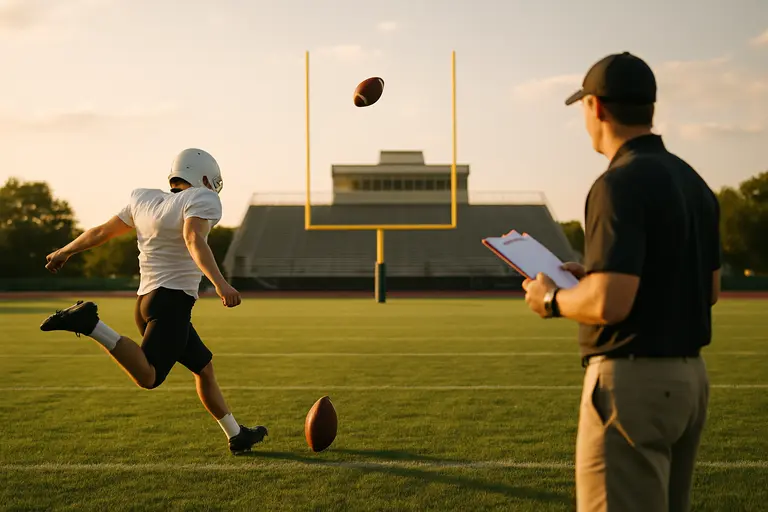
The transfer activity also reached special teams. Under new special teams coordinator Johnathan Galante, Florida reset its specialists group by adding six transfers, including two from Tulane, according to the research. That is a notable allocation of roster attention to a phase that can decide field position, scoring chances and late-game management.
Special teams jobs can be more volatile than offensive and defensive roles because operation time, snap consistency and coverage discipline all have to connect. A new coordinator with a rebuilt specialists group gives Florida a fresh structure, but it also requires fast sorting. The staff has to identify its placekicking, punting, snapping, holding and return options while also assigning coverage roles from the broader roster.
Why Six Specialist Transfers Matter
Six transfers in the specialist group signal that Florida did not treat special teams as an afterthought in the roster build. The volume creates competition and gives Galante options, but it also means chemistry has to form quickly. Specialists work in small units where timing is exposed on every rep.
For a team changing so many pieces elsewhere, stable special teams could help reduce pressure on the offense and defense. Poor field position can strain a new quarterback. Missed operation details can erase defensive stops. The transfer reset gives Florida more options, but the proof will come in clean execution.
What The 2026 Transfer Class Means For Florida
The Gators Transfer Class gives Florida a larger pool of experienced players, but its impact will depend on role clarity. The quarterback competition, receiver production, line depth and special teams reset all point to a roster being rebuilt through competition rather than one or two headline additions.
The key question inside the program is how quickly the staff can turn volume into a functional depth chart. Thirty transfers can solve shortages, but they can also create crowded rooms if roles are not defined. Retaining more than 40 players gives Florida a base to manage that process. The high school and junior college additions give the roster future development pieces.
For Florida fans, the main takeaway is that the 2026 team structure is still being formed. The Gators Transfer Class has already changed the conversation in Gainesville. Now the evaluation turns to who wins jobs, who becomes trusted depth and which new players can carry spring flashes into the season.